
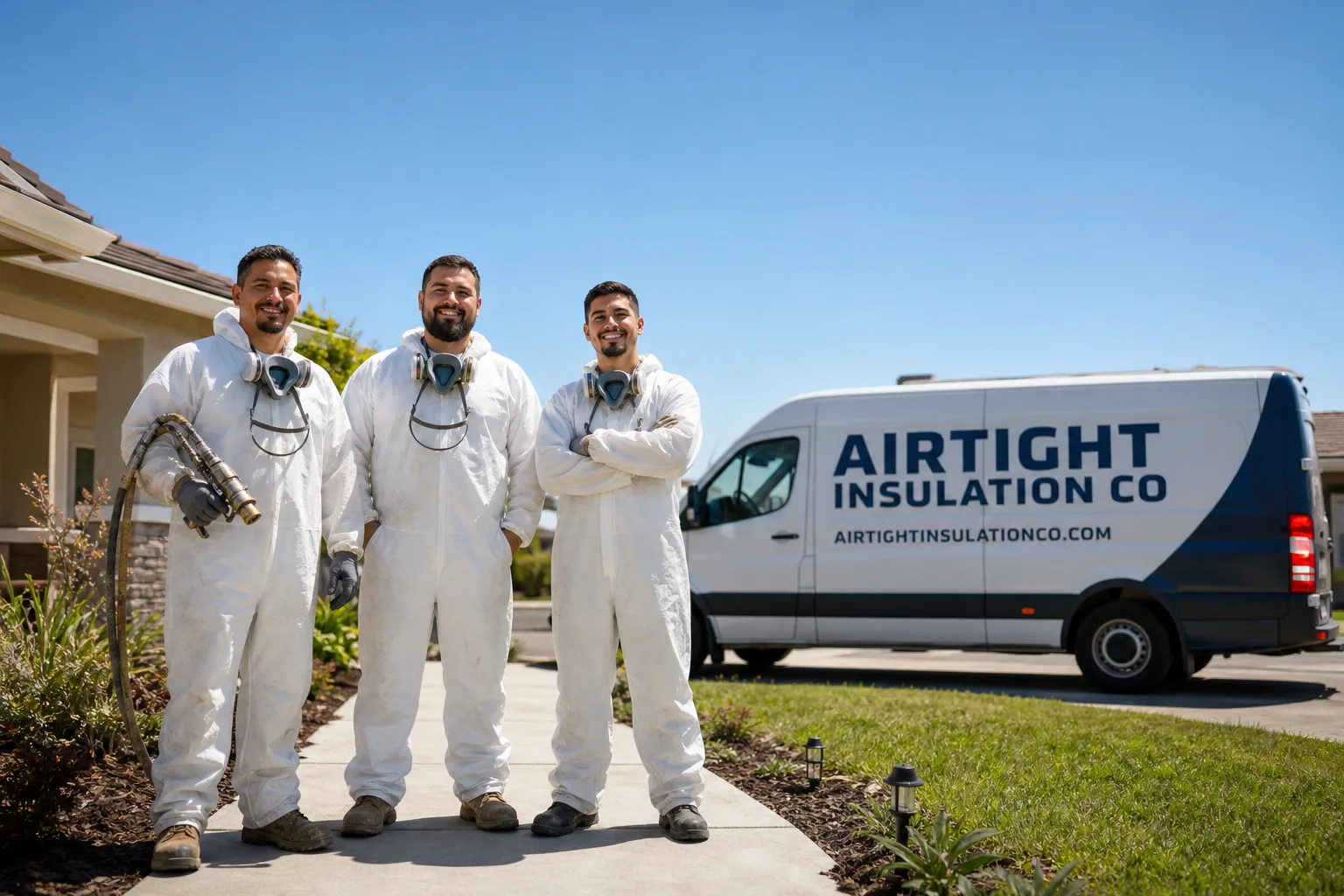
Fast, Reliable Attic Insulation Across Venice
If you own a home in Venice, your attic insulation is fighting a battle most attics never face: salt air, marine-layer fog, and moisture rising from a raised pier-and-beam foundation. Airtight Insulation Co knows these coastal failure patterns because we work in them every week. We respond to Venice zip codes 90291 and 90294 with crews who understand bungalows off Abbot Kinney, canal-front cottages near Dell Avenue, and the older Craftsman stock east of Lincoln. Call (833) 390-7079 for a free estimate on attic insulation in Venice, and we’ll tell you exactly what’s failing and what to do about it.
Why Airtight Insulation Co Is Venice’s Preferred Attic Insulation Company
Venice homeowners call us after a previous insulation job underdelivered. Often it wasn’t the installer’s fault in the traditional sense: they used inland assumptions for a coastal house. Fiberglass batts with foil facings go in fine, then the salt air pits the foil, rusts the staples, and the batts sag within a few years. That’s the job we get called to correct.
We carry eight manufacturer brands, including Owens Corning, Rockwool, and GreenFiber, so we’re never forcing one product into a house that needs something else. In Venice, that matters more than in most LA neighborhoods because the right answer usually involves vapor-open materials and corrosion-resistant fasteners, not just higher R-value. Our Attic Insulation team includes installers who’ve worked the canal district and the flats, and we know which assemblies hold up west of Lincoln.
Ruben Acosta leads our crews. He’s spent years diagnosing coastal moisture failures in Venice attics, and his standard is simple: seal it, not just fill it. That’s what the name Airtight means to us, and it’s why Venice homeowners keep our number.
Radiant Barrier in Venice
Radiant Barrier in Venice is a product we recommend selectively, and we’ll be the first to tell you when it’s the wrong call. A radiant barrier works by reflecting radiant heat away from the attic floor. That’s useful in inland LA, where the sun beats down on a hot roof for months. In Venice, the marine layer means roofs stay cooler, and the dominant moisture problem is condensation from below. A foil-faced radiant barrier installed in a damp Venice attic can pit, chalk, and delaminate within a few seasons, which means you paid for reflective performance that died early.
That said, there are Venice homes where a radiant barrier earns its keep, particularly newer flat-roof or low-slope contemporary builds with conditioned attics and good air sealing. For those, we recommend an open-cell spray foam approach or a sealed radiant deck using Icynene or Demilec products.
Coastal Corrosion Concerns
Salt-laden onshore fog is relentless west of Lincoln. Foil facings, staples, and foil tape rust and fail years earlier in Venice than they would in Culver City or Ladera Heights. When we install radiant barrier in Venice, we specify corrosion-resistant fasteners and tape systems rated for coastal exposure, and we inspect existing staples and facing condition before adding anything on top.
What It Costs in Venice
A radiant barrier installation for a typical Venice attic runs $1,400 to $2,800, depending on square footage and whether we’re stapling barrier to rafters or spraying a reflective coating. If your attic already shows corrosion or damp sheathing, we’ll tell you to address that first.
Attic Cleaning Services in Venice
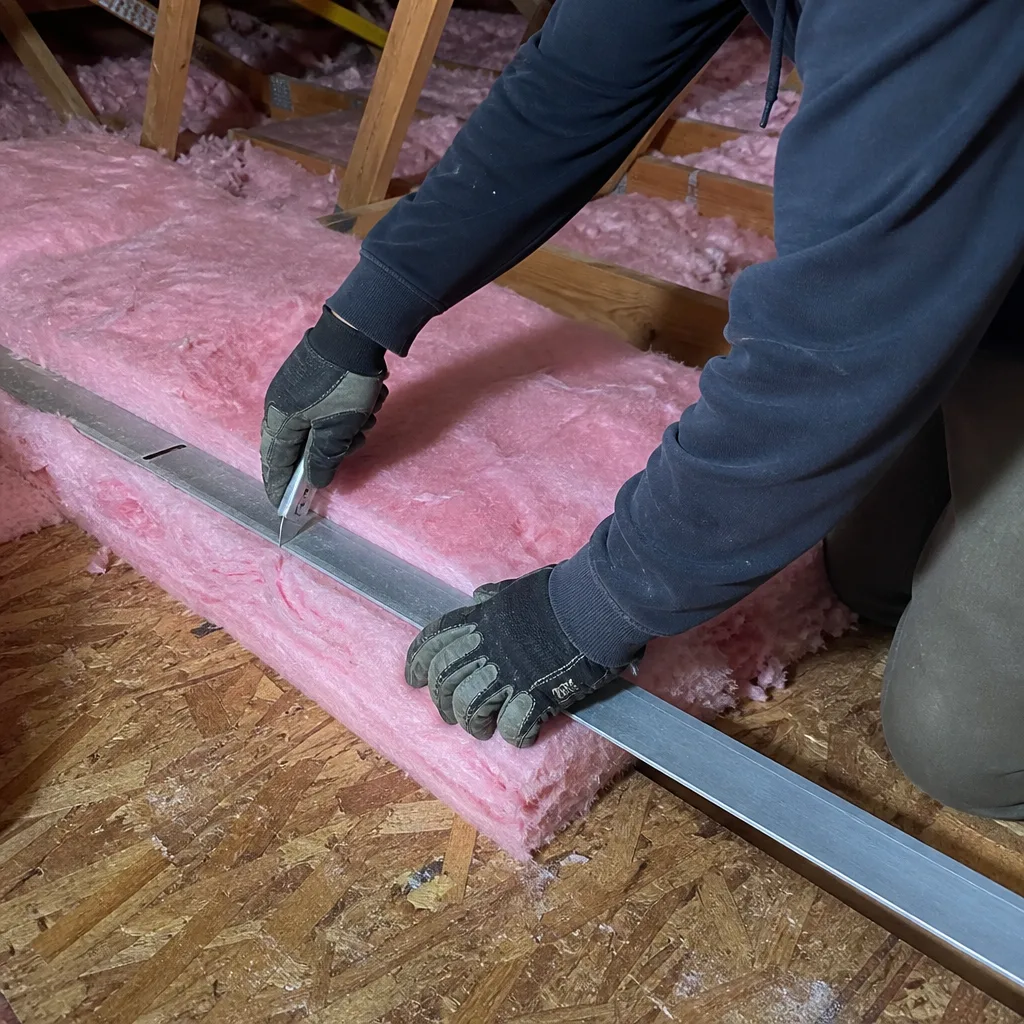
Attic Cleaning Services in Venice are about more than tidiness. They’re about removing the evidence of what the coastal air has already done: dust, old rodent nesting, rusted staples, degraded insulation fibers, and sometimes mold from condensation that formed when warm, moist air hit cool sheathing. Before we install new insulation in a Venice attic, we almost always recommend a full cleaning, especially in canal-front and low-lying homes west of Lincoln where damp has been cycling for years.
We remove old insulation, vacuum the deck, sanitize surfaces where needed, inspect for moisture entry points, and prep the attic for baffles and air-sealing. It’s the only way to start clean and confirm the assembly can dry properly. In Venice, that’s not a nice-to-have. It’s the difference between an insulation job that lasts and one that matts and smells within two seasons.
Cleaning Before a Blown-In Install
If you’re planning blown-in cellulose from GreenFiber or fiberglass, cleaning first is non-negotiable. Old damp batts left underneath a new layer hold moisture against the deck and accelerate sheathing rot. We clean the attic down to the deck before we blow anything in.
What Attic Cleaning Costs
Attic cleaning in Venice typically runs $700 to $1,600 depending on attic size, access difficulty, and the amount of debris. Homes with steep roof pitches or tight access hatches on older bungalows trend toward the higher end. Call (833) 390-7079 and we’ll give you a firm number before we start.
What happens when you call
- 1
A real person answersNo phone trees — you reach a local pro.
- 2
You get an upfront price rangeHonest numbers before anyone is dispatched.
- 3
A background-checked tech heads outLicensed & insured, dispatched right away.
- 4
You approve before work beginsNothing starts until you say go.
Trusted Brands We Service in Venice
We stock and install eight industry-leading brands so the material fits the house, not the other way around. For Venice attics, we lean on Rockwool for its moisture resistance and fire rating, GreenFiber for blown-in cellulose in ventilated attics, and Icynene or Demilec for open-cell spray foam where air-sealing is the priority. Owens Corning and Johns Manville fiberglass remain solid choices for dry, well-vented attics. Because we carry all of them, we don’t have to talk you into something. We let the job pick the product. That’s eight brands, one contractor.
Common Attic Insulation Problems We See in Venice Homes
- Rusted staples and sagging batts. Salt air corrodes fasteners and foil facings faster here than anywhere else in LA. Batts that looked fine three years ago are now hanging and doing nothing.
- Condensation on cool sheathing. Moist air rises from the raised pier-and-beam crawlspace and condenses on the underside of the roof deck. That matts fiberglass and breeds mustiness.
- Foil radiant barriers pitted and chalked. Onshore fog wrecks reflective surfaces. The shiny barrier you paid for has turned dull and lost its performance.
- Blocked or missing baffles in bungalow attics. Early-1900s Venice bungalows rarely had proper soffit venting. Without baffles, insulation blocks airflow and moisture parks in the attic.
Pricing for Attic Insulation in Venice, CA
Attic insulation in Venice doesn’t cost more because of the zip code. It costs more when the existing assembly needs correction. A straightforward blown-in cellulose top-up in a dry attic runs $1,200 to $2,400. Full removal, cleaning, air-sealing, and new Rockwool or fiberglass batts runs $2,800 to $5,500 for a typical Venice bungalow. Spray foam runs higher, $4,500 to $9,000, because it air-seals and insulates in one pass, which is often the right answer for canal-front homes with moisture coming up from below. We give free estimates, and the number we quote is the number you pay. Call (833) 390-7079 to schedule a walkthrough.
We Also Serve Cities Near Venice
Our crews cover Venice plus the surrounding coastal and Westside communities. We regularly work in Santa Monica, Culver City, Ladera Heights, and Century City. If you’re in one of those areas and need the same coastal-moisture expertise we bring to Attic Insulation in Venice, call us. We’ll schedule a visit the same week.
Serving Venice, CA — Our Local Coverage Area
We’re based in the Venice area and know this community well. Use the map below to see our service coverage — if you’re nearby, we can almost certainly help.
FAQs About Attic Insulation in Venice
Because moisture rises from the raised, ventilated pier-and-beam crawlspace below, condenses on the cool attic sheathing above, and mats the insulation while salt air corrodes the fasteners. It’s a bottom-up failure, not a top-down one. Fixing it means air-sealing the subfloor-attic boundary and using vapor-open, moisture-resistant materials like Rockwool, plus corrosion-resistant fasteners. Call (833) 390-7079 and we’ll diagnose your specific attic.
Usually not. Venice’s marine layer means roofs stay cooler than inland LA, so the reflected-heat benefit of a radiant barrier is smaller. Worse, salt air pits and chalks foil facings within a few seasons. We recommend radiant barrier only in specific newer builds with sealed, conditioned attics, and only with coastal-rated fasteners and tape.
We treat it as one connected moisture path. We air-seal the top plates, bypasses, and any plumbing or electrical penetrations at the attic floor, then install a vapor-open insulation like Rockwool batts or blown-in cellulose. That lets moisture dry upward instead of condensing on the deck. Skipping the air-sealing step is why so many canal-front attics smell musty two years after a new install.
We install Rockwool for moisture resistance and fire rating, GreenFiber cellulose for ventilated attics, and Icynene or Demilec open-cell spray foam where air-sealing is the priority. Owens Corning fiberglass works in dry attics with good venting. Because we carry all of them, we match the material to the moisture reality of your attic, not the other way around.
Before every blown-in install, and before any job where we find damp, matted, or corroded existing insulation. Cleaning removes the moisture-trapping layer and exposes the deck so we can confirm it’s dry and sound. In Venice, that step prevents a new insulation job from failing the same way the old one did. Call (833) 390-7079 for a free assessment.
Written by Ruben Acosta, Owner at Airtight Insulation Co, serving Venice since our first canal-front retrofit.