Fast, Reliable Attic Insulation Across Rolling Hills Estates
Attic insulation in Rolling Hills Estates costs $1,450 to $3,800 for a full attic on a typical mid-century ranch home, with top-ups running $950 to $1,900 and full replacements (removal, air sealing, new insulation) landing between $2,200 and $4,600. We dispatch crews to Rolling Hills Estates weekly and can usually be on-site within 2 to 3 business days for standard jobs. Call (833) 390-7079 and we’ll give you a straight price range over the phone before you commit to anything.
Rolling Hills Estates is a different insulation job than the flatlands below the Peninsula. We know why, and we plan for it. The marine layer, the canyon winds, the 1950s ranch attics with beamed ceilings – it all changes what belongs in your attic. That’s what this page covers.
Why Airtight Insulation Co Is Rolling Hills Estates’s Preferred Attic Insulation Company
We work on the Peninsula enough that our crews know the difference between a Rolling Hills Estates attic and a Manhattan Beach attic before they open the hatch. It’s not elevation for its own sake. It’s what the fog belt does to insulation over 30 years. We’ve watched original 1960s fiberglass batts turn into damp, settled mats that do almost nothing, and we’ve seen condensation staining along ridge lines that no amount of new R-value would have fixed. Attic Insulation here starts with moisture, not just material.
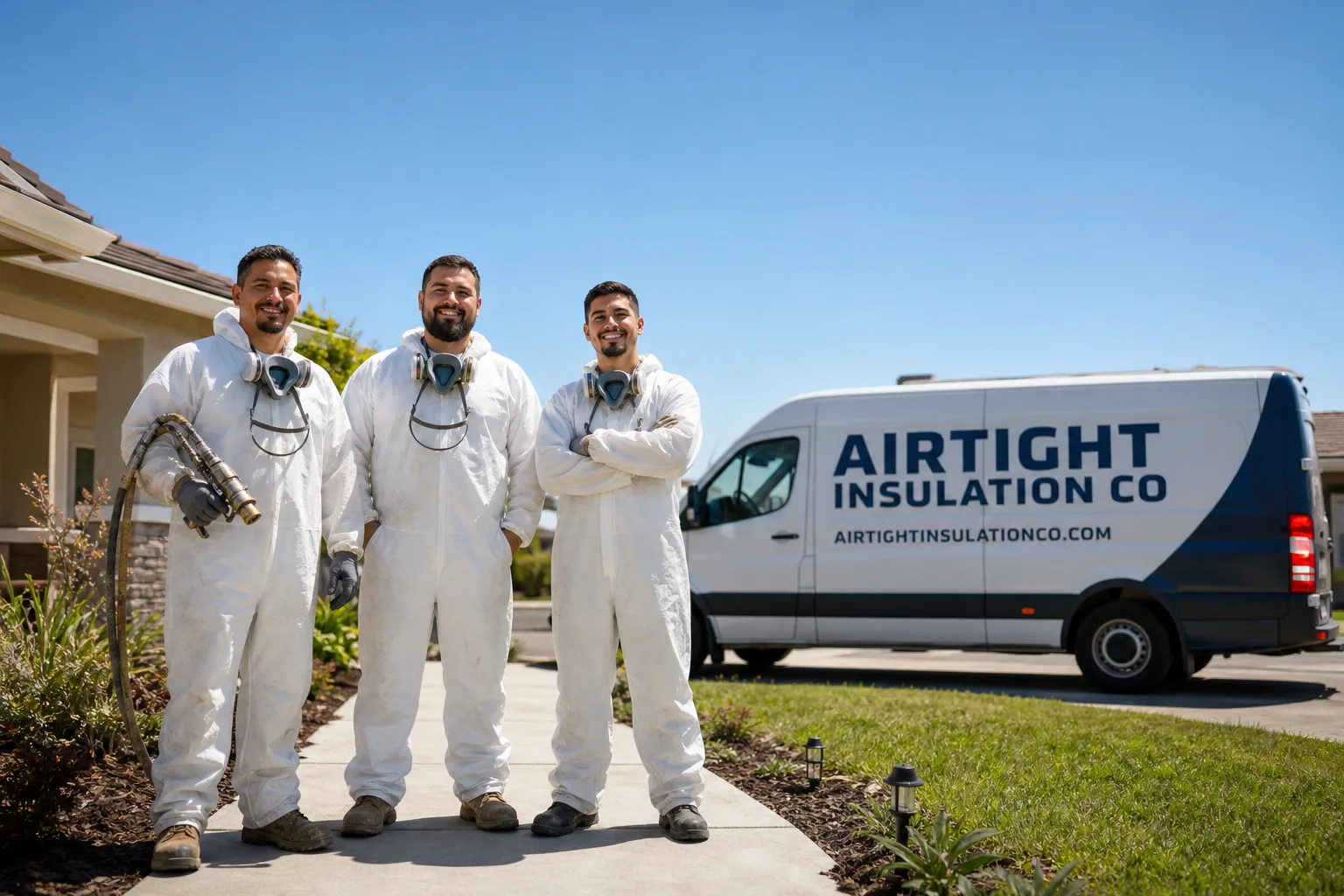
Ruben Acosta runs our install crews, and he’d rather take an extra hour to air-seal top plates and can lights than hide a problem under new batts. That’s the standard we hold on every Rolling Hills Estates job. No shortcuts on prep work, no “good enough” on venting. Homeowners here tend to own their homes for the long haul. They want it done once, correctly.
We carry eight manufacturer brands – Owens Corning, Johns Manville, Knauf, Rockwool, CertainTeed, Icynene, Demilec, and GreenFiber – because a fog-belt hillside home may need cellulose where a Torrance bungalow needs fiberglass. The job picks the product, not our inventory. That’s why homeowners who’ve had a bad experience with a one-material contractor call us for the follow-up fix.
When you call (833) 390-7079, you’ll get a time window that accounts for Peninsula traffic, not a generic “sometime between 8 and 5.” We respect that you’re driving up from the 110 or coming over from Palos Verdes Drive North to meet us.
Radiant Barrier in Rolling Hills Estates
Radiant barrier in Rolling Hills Estates is a foil-faced material installed on the underside of roof rafters, and while most people associate it with blocking desert heat, it actually solves a Peninsula-specific problem here: reducing the radiant heat that warms attic air before the marine layer cools it back down and drives condensation. In these fog-belt attics, the cycle of afternoon sun warming the roof deck followed by cool, humid evening air rolling in creates exactly the conditions that dampen insulation and stain sheathing. A radiant barrier damps that temperature swing. Homeowners in Rolling Hills Estates typically pay $1,100 to $2,400 for a radiant barrier install in an average ranch home attic, and it’s most effective when paired with air sealing – not as a standalone fix.
When a Radiant Barrier Makes Sense Here
Homes on west-facing hillside lots off Palos Verdes Drive North get baked in the afternoon even during a foggy week. The sun breaks through, heats the decking, and the attic air swings 30 degrees between noon and midnight. A radiant barrier slows that cycle enough to keep condensation from forming as aggressively. It’s not a substitute for proper insulation depth, but it changes the thermal and moisture profile of the attic.
We’ll tell you plainly if your attic doesn’t need one. Some north-facing canyon homes in the 90505 ZIP stay cool enough that the money is better spent on air sealing and new cellulose. That’s the conversation we’d rather have than selling you a product that won’t pay off.
Radiant Barrier With Blown-In Insulation
The most common job we do in Rolling Hills Estates is a radiant barrier install over a full GreenFiber blown-in cellulose top-up. The barrier handles the radiant load from above, the cellulose seals and insulates from below, and the two together address both the temperature swing and the air movement that comes with canyon breezes.
Attic Cleaning Services in Rolling Hills Estates
Attic Cleaning Services in Rolling Hills Estates involve removing old, contaminated, or pest-damaged insulation, vacuuming the attic floor, and treating the space before new insulation goes in. On the Peninsula, attic cleaning usually includes something most coastal cities don’t deal with: moisture-damaged insulation that’s been sitting damp for years. That material holds odor, promotes mold, and never regains its R-value. A full attic cleanout with insulation removal in Rolling Hills Estates typically runs $1,200 to $2,800 depending on attic size and access, and it’s the right first step when the existing material is compressed, damp, or rodent-affected.
When Your Attic Needs Cleaning Before Insulation
If you own a 1960s ranch in the 90505 ZIP and the attic has never been opened, plan on cleaning before topping up. Original insulation settles, absorbs fog-season moisture year after year, and becomes a mat that smells and underperforms. Blowing new cellulose over it just seals the problem in. We’d rather remove it, address any staining or venting issues, and start clean.
Attic cleaning is also where we catch condensation-stained sheathing before it becomes rot. That’s the advantage of having crews who know what a fog-belt attic looks like after 50 years. We’re not surprised by what we find; we’re looking for it.
Rodent and Pest Damage Removal
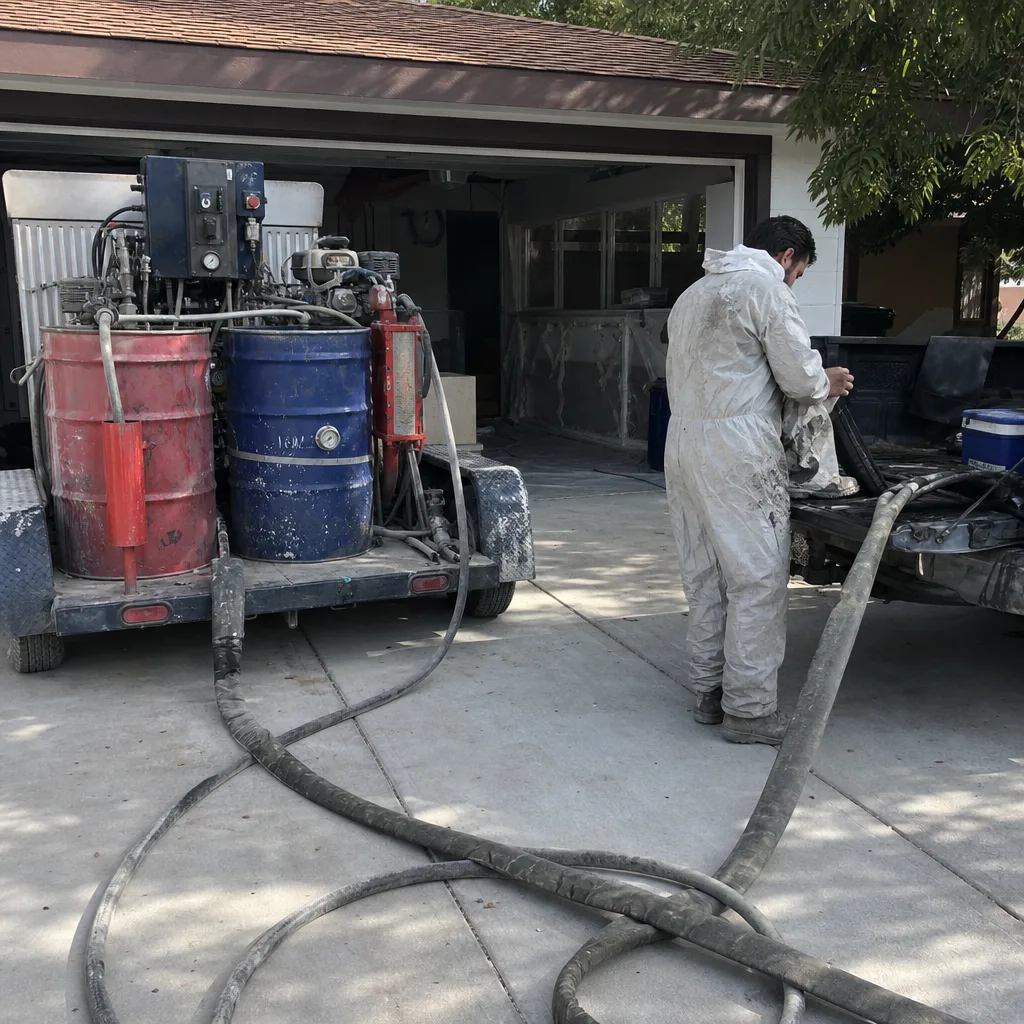
Rolling Hills Estates hillside lots back up to open space, which means roof rats and mice are recurring guests in attics. Their nests and droppings contaminate insulation and damage wiring. We remove the affected material, treat the space, and install fresh insulation – and we’ll point out entry points so you can have them sealed before the next cold snap pushes rodents back inside.
What happens when you call
- 1
A real person answersNo phone trees — you reach a local pro.
- 2
You get an upfront price rangeHonest numbers before anyone is dispatched.
- 3
A background-checked tech heads outLicensed & insured, dispatched right away.
- 4
You approve before work beginsNothing starts until you say go.
Trusted Brands We Service in Rolling Hills Estates
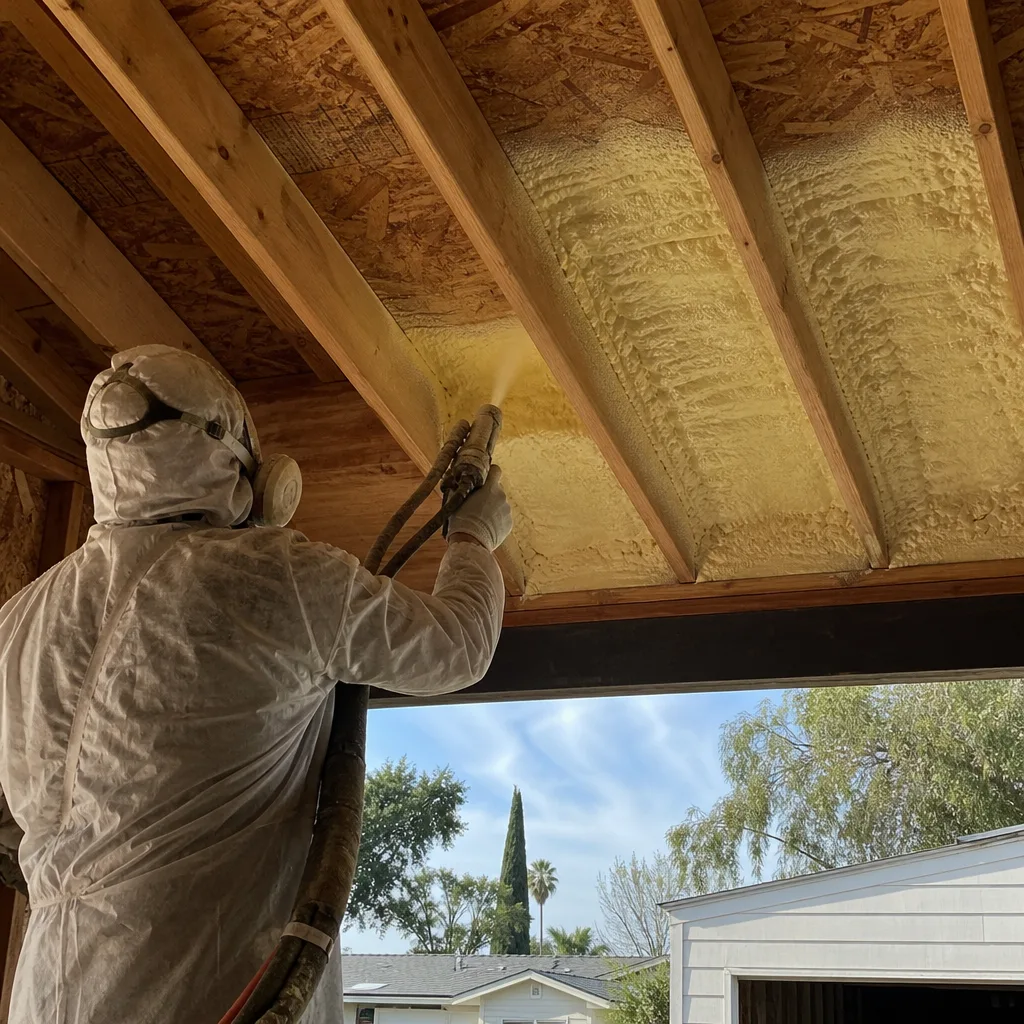
We install and service insulation from Demilec, GreenFiber, and Owens Corning in Rolling Hills Estates homes, and we stock enough material to complete most 90505 jobs in a single trip. Demilec’s closed-cell spray foam is a workhorse on vaulted and beamed ceilings where batts can’t fit properly. GreenFiber cellulose is our go-to for fog-belt attics because it air-seals as it fills, which matters more here than R-value alone. Owens Corning fiberglass remains the right call for accessible, flat-ceiling ranch attics where budget matters. We let the job pick the product, and we have all three – plus five more brands – on the truck.
Common Attic Insulation Problems We See in Rolling Hills Estates Homes
- Damp, settled insulation from marine-layer humidity. Decades of fog-season moisture compress original 1960s batts into a dense mat that holds water and loses most of its insulating ability, especially along ridge lines where condensation accumulates.
- Condensation-stained sheathing and ridge vents pulling wet air back in. The same canyon breezes that keep Rolling Hills Estates cool also push humid marine air across exposed roof decking, and ridge vents sized for a drier climate can make the problem worse.
- Unsealed top plates and can lights leaking conditioned air. Mid-century ranch homes were built before air sealing was standard practice, so heated or cooled interior air pours into the attic through gaps around framing and recessed lights, feeding the condensation cycle.
- Vaulted and beamed ceilings with minimal insulation cavity space. The split-level and hillside homes off Palos Verdes Drive North often have exposed-beam ceilings where original insulation is thin or missing entirely, and standard batt depths simply don’t fit the narrow cavities.
Pricing for Attic Insulation in Rolling Hills Estates, CA
Here’s what we charge in Rolling Hills Estates, straight up. Blown-in attic insulation over an existing floor typically runs $1,450 to $2,900 for a 1,200 to 1,800 square foot ranch home. A top-up on top of settled but dry insulation runs $950 to $1,900. Full removal, attic cleaning, air sealing, and new insulation runs $2,200 to $4,600. Radiant barrier adds $1,100 to $2,400. Closed-cell spray foam on vaulted ceilings runs $3,800 to $7,200 depending on square footage. Critter-damaged jobs and steep-slope access off canyon roads add cost because of the extra time and safety equipment. Every quote includes free air-sealing evaluation. Call (833) 390-7079 and we’ll give you a firm written number before we start, not an estimate that drifts.
We Also Serve Cities Near Rolling Hills Estates
Our crews cover the full South Bay and Peninsula, so if you’re in Manhattan Beach, Torrance, Lomita, or Palos Verdes Estates, we’re already working nearby. For a full rundown of what we do across the area, see our Attic Insulation in Rolling Hills Estates page or call us – same crew, same standards.
Serving Rolling Hills Estates, CA — Our Local Coverage Area
We’re based in the Rolling Hills Estates area and know this community well. Use the map below to see our service coverage — if you’re nearby, we can almost certainly help.
FAQs About Attic Insulation in Rolling Hills Estates
Marine-layer humidity is your culprit, not heat. Cool, foggy air settles into the attic each evening, condenses on the underside of the roof decking, and soaks into whatever insulation is sitting there. That’s why we find damp, compressed batts in Peninsula homes that never get above 85 degrees. The fix starts with air sealing and vapor management, not just adding more R-value. Call (833) 390-7079 for an attic assessment – we’ll tell you exactly what’s happening up there.
Only if the original batts are dry, uncompressed, and free of rodent contamination – and in our experience, most mid-century attics in Rolling Hills Estates don’t meet that standard. If there’s any dampness or settlement, blowing over it seals in moisture and guarantees the new insulation underperforms. We’ll inspect and give you an honest answer before recommending any material.
Yes, but for a different reason than in inland climates. On the Peninsula, a radiant barrier slows the daily temperature swing between afternoon sun and evening fog, which reduces the condensation cycle that damages insulation and sheathing. It’s a moisture-management tool in Rolling Hills Estates as much as a cooling upgrade. Call (833) 390-7079 and we’ll assess whether your specific attic would benefit.
We typically recommend closed-cell spray foam from Demilec for those ceilings because it conforms to narrow, irregular cavities where batts can’t reach full depth, and it air-seals at the same time. It’s the best product for a beamed ceiling that lets air pass through gaps batts can’t fill, and it stops the condensation problem those ceilings are known for in fog-belt homes.
We carry Demilec spray foam, GreenFiber blown-in cellulose, and Owens Corning fiberglass on our Peninsula trucks, so whichever material your attic actually needs, we have it on hand. That’s the difference eight brands makes – we don’t have to schedule a second trip or push you toward whatever’s left in the warehouse. Call (833) 390-7079 for a free estimate and we’ll tell you which product fits your home.
Written by Ruben Acosta, Owner at Airtight Insulation Co, serving Rolling Hills Estates and the greater Peninsula area.