
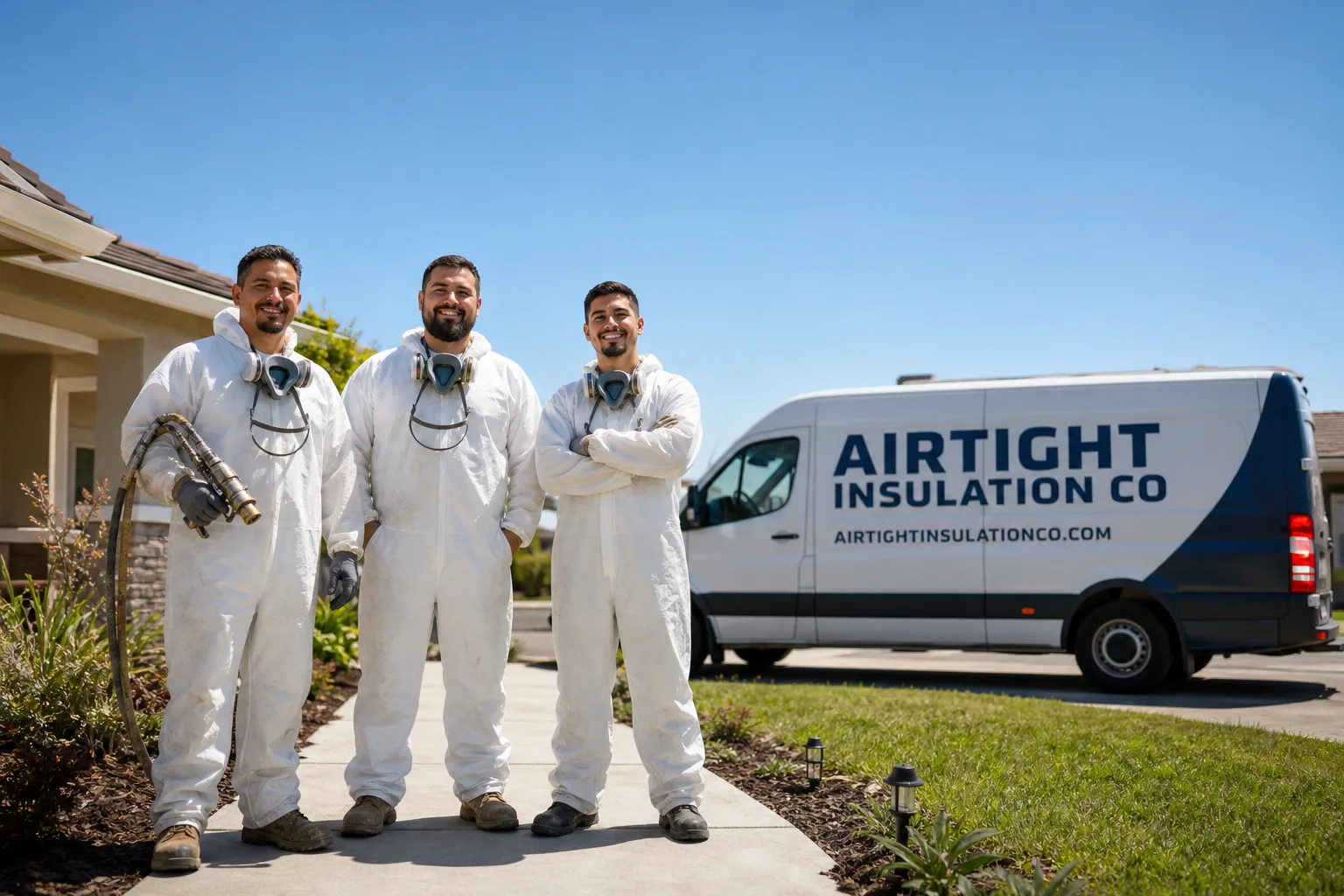
Fast, Reliable Attic Insulation Across Culver City
Attic insulation in Culver City isn’t a one-material job, and it isn’t a simple blow-and-go. Most of the homes we work on here were built between the 1920s and 1950s: stucco-over-wood-frame bungalows, Spanish duplexes, and post-war ranches with shallow, low-pitch attics that were never designed for modern insulation standards. That changes everything about how we approach the work. We stock eight manufacturer brands across fiberglass, mineral wool, spray foam, and cellulose so the recommendation fits your roof framing, your venting, and the marine layer that rolls in off Santa Monica Bay. If you’re in 90230, 90231, 90232, or 90233 and your attic has been ignored for a few decades, call us at (833) 390-7079. We’ll tell you what’s actually going on up there.
Why Airtight Insulation Co Is Culver City’s Preferred Attic Insulation Company
Ruben Acosta built Airtight Insulation Co around a simple standard: seal it, not just fill it. The name isn’t a slogan. Every crew we send to Culver City works to stop air movement through the ceiling plane, not just pile R-value on top of leaks. That matters in older Culver City stock because the same gaps that leak conditioned air also carry moisture from the living space into the attic, where it condenses on cool roof sheathing. We’ve seen it too many times in 90232 bungalows near Veterans Memorial Park and in the duplexes off Sepulveda: batts that looked fine from the access hatch but were saturated and moldy underneath.
Our Attic Insulation team works these older cavities every week. We know what a 1940s plaster ceiling hides, we know how to vent a 3:12 pitch roof without changing its lines, and we know which materials handle Culver City’s coastal damp without losing their thermal performance. Customers across Culver City keep our crews busy because we diagnose before we quote. Eight brands, one contractor. We let the job pick the product.
Radiant Barrier in Culver City
Radiant Barrier makes sense in Culver City for a specific reason: the long dry season bakes low-pitch roofs on inland-facing sides of homes, and older attics with just a few inches of settled fiberglass absorb that heat all afternoon. A radiant barrier stapled to the underside of the roof rafters reflects radiant heat before it ever reaches the insulation or the ceiling below. In Culver City’s 1920s and 1930s bungalows, where roof cavities are tight and insulation depth is limited by shallow framing, this is often the highest-impact upgrade we can make without tearing into the roofline. On a typical 1,200 to 1,600 square foot Culver City home, radiant barrier installation runs $1,800 to $3,900 depending on attic accessibility and roof geometry.
Where Radiant Barrier Fits Older Roofs
In shallow, low-pitch attics on homes near downtown Culver City or the flats around Washington Boulevard, every inch of headroom counts. Radiant barrier adds thermal performance without consuming the space that blown-in insulation would require. We install it as a single-layer foil or as a radiant barrier plywood product when the roof deck is being replaced anyway. For stucco Spanish-style homes with hip roofs, the barrier works best when paired with ridge and soffit venting so it isn’t trapping moisture against the sheathing.
Why Marine Layer Changes the Radiant Barrier Equation
Here is something most radiant barrier manufacturers do not tell you: in coastal climates like Culver City’s, a poorly vented radiant barrier can make condensation worse. When the marine layer sits over the city for two or three straight days, cool damp air fills the attic, and if the barrier is installed against the sheathing with no air gap, moisture collects between the foil and the deck. Our crews check venting first. Always. The barrier goes in only after the attic can breathe.
Attic Cleaning Services in Culver City
Attic Cleaning Services in Culver City usually start with a discovery: what the homeowner thought was just old dust turns out to be rodent activity, degraded batts, or condensation damage from years of unvented moisture. In the older homes around 90230 and 90233, we commonly find original 1940s insulation that has compressed to half its original depth, mixed with dust, pest droppings, and sometimes mold. That material isn’t just underperforming; it’s actively circulating irritants into your home’s air every time air passes through the ceiling. A full attic cleaning for a typical Culver City bungalow runs $900 to $2,400, depending on attic size, contamination level, and access difficulty. When we replace the insulation at the same time, total jobs typically range from $3,500 to $7,800.
Signs Your Culver City Attic Needs Cleaning
Musty smell in hallways or bedrooms that gets worse when the heat runs. Dark staining or visible moisture rings on ceiling drywall. Pest noises or droppings near the access hatch. All three are common in older Culver City stock where roof rats and mice find their way into unsealed eaves and gable vents. If you haven’t looked in your attic in years, we’ll find it when we do the assessment.
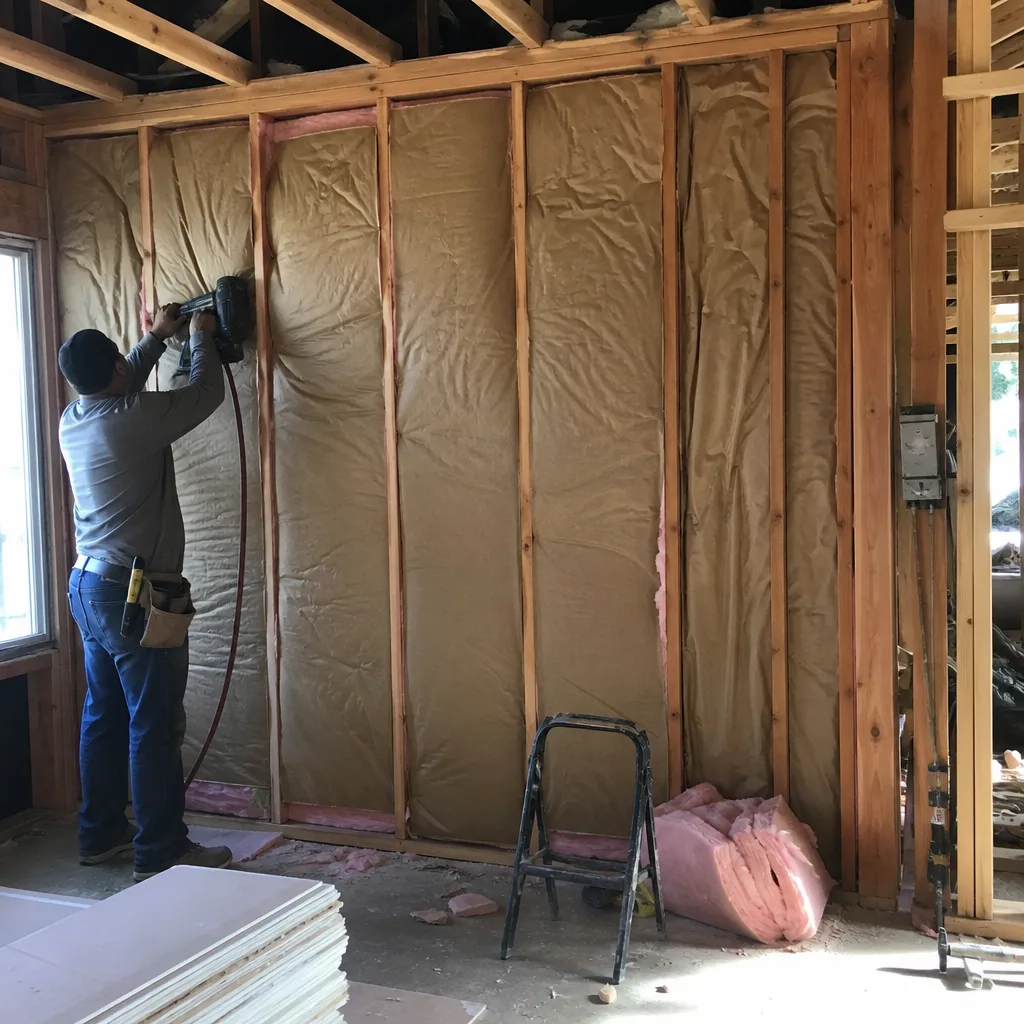
What Removal Actually Involves
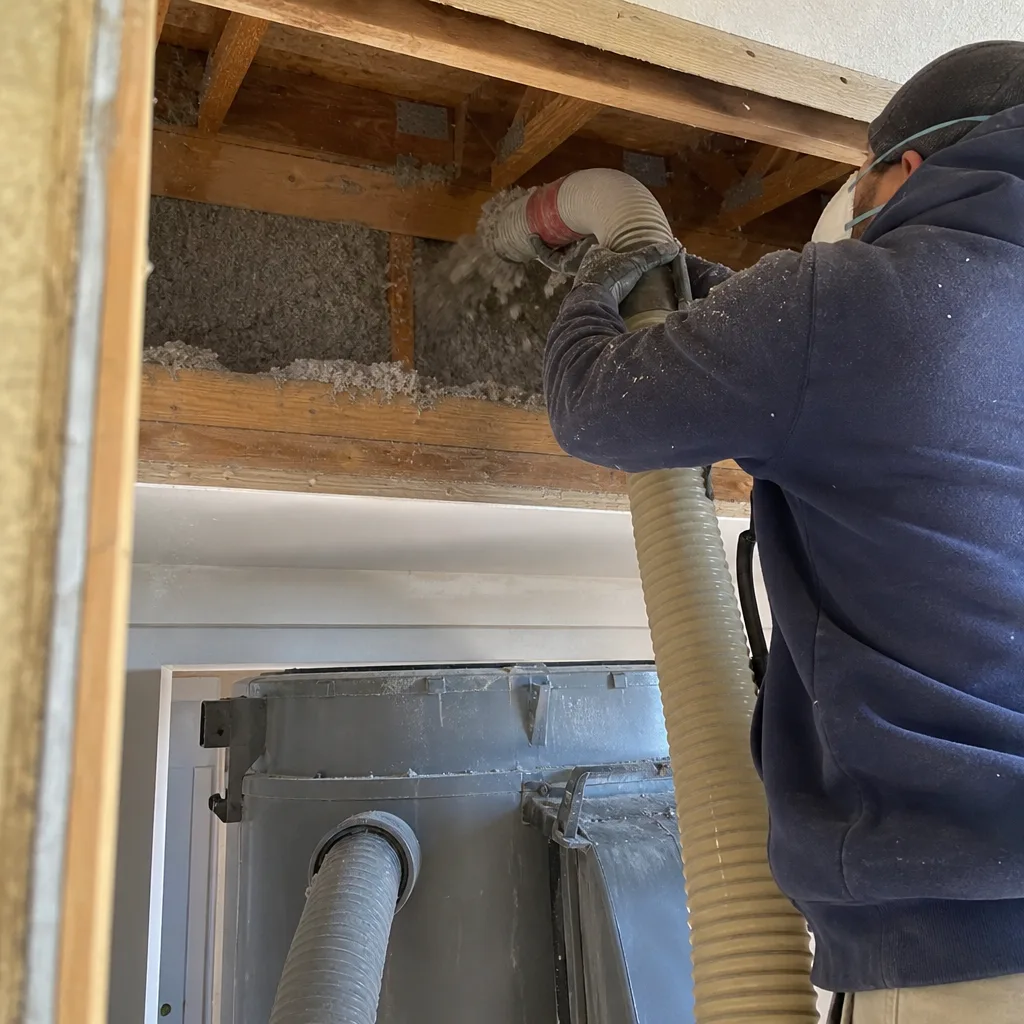
We remove the old material with commercial vacuums, sanitize the surfaces, air-seal the ceiling plane, and haul everything out. Then you make a decision: replace with blown-in cellulose, mineral wool batts, or spray foam depending on your roof and budget. We don’t push one material. The house tells us what it needs.
What happens when you call
- 1
A real person answersNo phone trees — you reach a local pro.
- 2
You get an upfront price rangeHonest numbers before anyone is dispatched.
- 3
A background-checked tech heads outLicensed & insured, dispatched right away.
- 4
You approve before work beginsNothing starts until you say go.
Trusted Brands We Service in Culver City
We’re not tied to a single manufacturer, which means we recommend insulation that matches Culver City’s specific moisture and framing conditions rather than whatever’s sitting in a warehouse. For older stucco bungalows, we often reach for Owens Corning fiberglass batts or Rockwool mineral wool because both handle damp conditions without supporting mold. For narrow shallow cavities and hard-to-access roof spaces, we use Demilec spray foam to air-seal and insulate in one pass. For homeowners who want high recycled content, GreenFiber blown-in cellulose delivers solid coverage in older attics with uneven joist spacing. Because we carry eight brands, Culver City customers aren’t waiting on special orders; we bring the material that fits the job.
Common Attic Insulation Problems We See in Culver City Homes
- Condensation-soaked batts in unvented shallow attics. The marine layer keeps roof sheathing cool and damp for hours each morning, and in attics without ridge or soffit venting, that moisture condenses on the underside of the deck and drips into the insulation. Old fiberglass wicks it like a sponge and loses its R-value, while mold takes hold.
- Compacted or missing insulation behind plaster walls. Homes built between the 1920s and 1950s on the flats near downtown were often framed with true 2×4 studs, and the insulation – if any was ever installed – has settled into a thin mat at the bottom of the cavity. Homeowners assume the walls are insulated because the house has been there for 80 years. Usually they aren’t, or what’s left is doing almost nothing.
- Attic heat buildup on inland-facing roof planes. During the long dry season, low-pitch roofs facing east or south absorb direct sun all afternoon. The attic air temperature climbs, the ceiling below radiates heat into the living space, and the AC runs longer than it should. This is where radiant barrier work changes the equation.
- Pest intrusion through unsealed gable vents and eave gaps. Culver City’s mature trees and older rooflines give rats and squirrels easy routes onto roofs. Once they chew through an unsealed vent, they nest in the insulation, compress it, contaminate it, and tear holes in the air barrier. Attic cleaning and air-sealing go together for a reason.
Pricing for Attic Insulation in Culver City, CA
Here are the ranges we quote most often in Culver City. Blown-in cellulose for a 1,200 to 1,500 square foot attic runs $2,800 to $4,600. Batt insulation replacement on that same footprint runs $3,200 to $5,200 depending on depth and access. Closed-cell spray foam, which we use on problem attics where condensation won’t quit, runs $6,000 to $12,000 for a typical 1,200 square foot attic. An insulation top-up over existing material runs $1,400 to $2,600. Attic baffle installation and ventilation prep runs $600 to $1,800. Every quote includes a look at the existing venting, because in Culver City, insulation without ventilation is a mold problem waiting to happen. Call (833) 390-7079 for a free attic assessment.
We Also Serve Cities Near Culver City
Our Culver City service area extends into the surrounding neighborhoods and cities, including Ladera Heights, Century City, Venice, and Beverly Hills. We run crews into these areas weekly, and the same diagnostic-first approach applies whether the house is a 1930s stucco duplex or a 1960s ranch. Wherever you are, the marine layer and older framing are usually the story.
Serving Culver City, CA — Our Local Coverage Area
We’re based in the Culver City area and know this community well. Use the map below to see our service coverage — if you’re nearby, we can almost certainly help.
FAQs About Attic Insulation in Culver City
The water isn’t rain; it’s condensation. Culver City sits close enough to Santa Monica Bay that the marine layer keeps attic air cool and humid for long stretches, and when that damp air rises into an unvented attic and meets the cool roof sheathing at night, water forms on the wood. Your insulation absorbs it, and over time it loses thermal performance and develops mold. This is the single most common problem we see in Culver City attics, and the fix is ventilation combined with the right insulation material. Call (833) 390-7079 and we’ll show you what’s actually happening up there.
Yes, but the method matters. A shallow attic with low-pitch framing and no access hatch typically can’t get a full depth of blown-in material. We use dense-pack techniques or spray foam applied through small access points to fill narrow cavities without tearing out ceilings. On homes like the 1940s stucco bungalows near the Hayden Tract, we combine that with ridge or soffit venting so the shallow space doesn’t turn into a condensation trap. The job takes one to two days for most homes in Culver City.
Attic cleaning removes the old material, sanitizes the space, and prepares it for new insulation, but it doesn’t install anything. Insulation replacement is the install itself. In practice, most Culver City homes need both: the old batts are wet, compressed, or pest-contaminated, so pulling them out is step one. If you only add new insulation on top of old contaminated material, you’re trapping the problem. We’ll tell you during the assessment whether cleaning alone is enough or whether you’re better off pulling everything and starting fresh.
In most cases, yes, especially if one side of your roof faces inland and bakes during the dry season. Radiant barrier reflects heat before it enters the insulation, which matters more in a shallow attic where you can’t pile on R-value. The catch – and it’s a real one for Culver City – is that venting has to be right first. A radiant barrier in a poorly vented attic can trap marine-layer moisture against the sheathing. We check that before we quote a barrier.
You work with the existing profile. We install ridge vents along the peak, which follow the line of the roof without changing its appearance, and pair them with soffit or eave vents for intake. On hip roofs, where a long ridge isn’t available, we use box vents or low-profile powered vents placed where they don’t disrupt the front elevation. For Culver City’s Spanish and Mediterranean stucco homes, this counts for a lot, since the roofline is part of the architectural character. Proper venting dries the attic and protects the insulation from the condensation that wrecks it in this climate.
If your attic hasn’t been looked at in years, call us at (833) 390-7079. We’ll schedule an assessment, get into the hard-to-reach spaces, and give you a straight answer about what’s up there and what it’ll cost to fix. Estimates are free, and we service all of Culver City.
Written by Ruben Acosta, Owner at Airtight Insulation Co, serving Culver City and surrounding communities.