Fast, Reliable Attic Insulation Across Compton
Attic insulation in Compton costs $1,800 – $4,200 for a full removal and reinstall on a typical 1,200 – 1,500 sq ft postwar tract home, with top-ups running $900 – $1,700. Most jobs take one day once we’re on site, and we schedule Compton work within 3 – 5 business days. If your energy bills climb every August and your upstairs rooms never hold temperature, the problem usually isn’t your HVAC. It’s what’s sitting, or sagging, above your ceiling. Call (833) 390-7079 and we’ll tell you exactly what’s up there before we quote a dollar.
We know Compton’s housing stock because we’ve crawled through dozens of attics off Rosecrans, Long Beach Boulevard, and Wilmington Avenue. These aren’t modern builds with clean truss lofts. They’re mid-century stucco boxes with low-pitch roofs, shallow attic cavities, and decades of questionable layering. That changes how we approach every job, from material choice to ventilation design.
Why Airtight Insulation Co Is Compton’s Preferred Attic Insulation Company
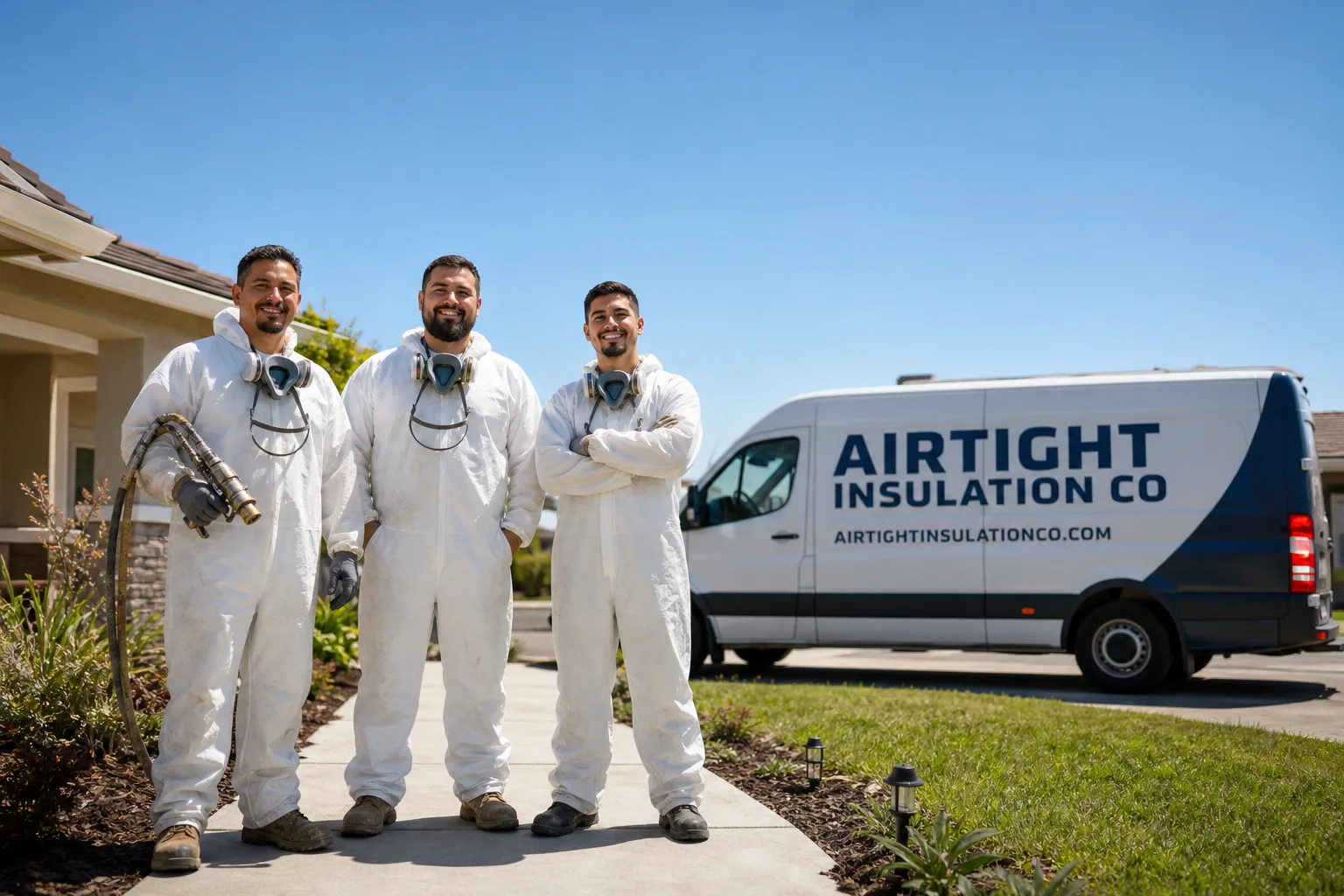
Ruben Acosta built Airtight Insulation Co around a simple frustration: too many insulation contractors push one product because that’s what they stock. We don’t work that way. We carry eight manufacturer brands spanning fiberglass, mineral wool, spray foam, and cellulose, so the recommendation comes from the attic conditions, not our inventory sheet. In Compton, that matters more than most places, because the right material for a 1952 tract home off Alameda Street is often different from what a newer infill build near the 91 needs.
We let the job pick the product. That’s not a slogan, it’s how we quote. A damp, low-pitch attic needs air sealing and vapor management before more R-value. A sun-baked roof deck off Compton Boulevard needs radiant control. We diagnose first, then recommend. Homeowners who’ve lived through a bad insulation job know the difference between a contractor who fills space and one who seals it.
Our crews arrive with what the job needs on the truck. We don’t run back to a supply yard mid-install. Compton customers don’t wait on material runs.
Radiant Barrier in Compton
Radiant barrier in Compton is the single most underused upgrade for postwar tract homes, because the city’s real attic enemy is radiant heat gain through low-pitch, sun-exposed roof decks, not winter cold. A properly installed radiant barrier under the rafters can drop attic surface temperatures by 20 – 30°F during late-summer heat waves, which directly reduces the workload on your AC. In Compton’s marine-layer climate, where mornings are damp and August afternoons are brutal, this one detail often outperforms adding another layer of batts. Expect to pay $1,200 – $2,400 for radiant barrier on a typical single-story Compton home, depending on attic accessibility and roof pitch.
How It Works in Low-Pitch Attics
Low-pitch roofs leave less ventilated air space between the ceiling and the roof deck. That trapped superheated air radiates downward all afternoon. A reflective barrier mounted to the underside of the rafters bounces that radiant energy back before it can soak into your ceiling.
When Compton Homeowners Should Add It
If your AC runs constantly from noon to sunset and the ceiling feels warm to the touch by 4 p.m., radiant barrier likely delivers more comfort per dollar than anything else we install. We typically install it alongside a top-up or full re-insulation, since the attic is already opened up.
Attic Cleaning Services in Compton
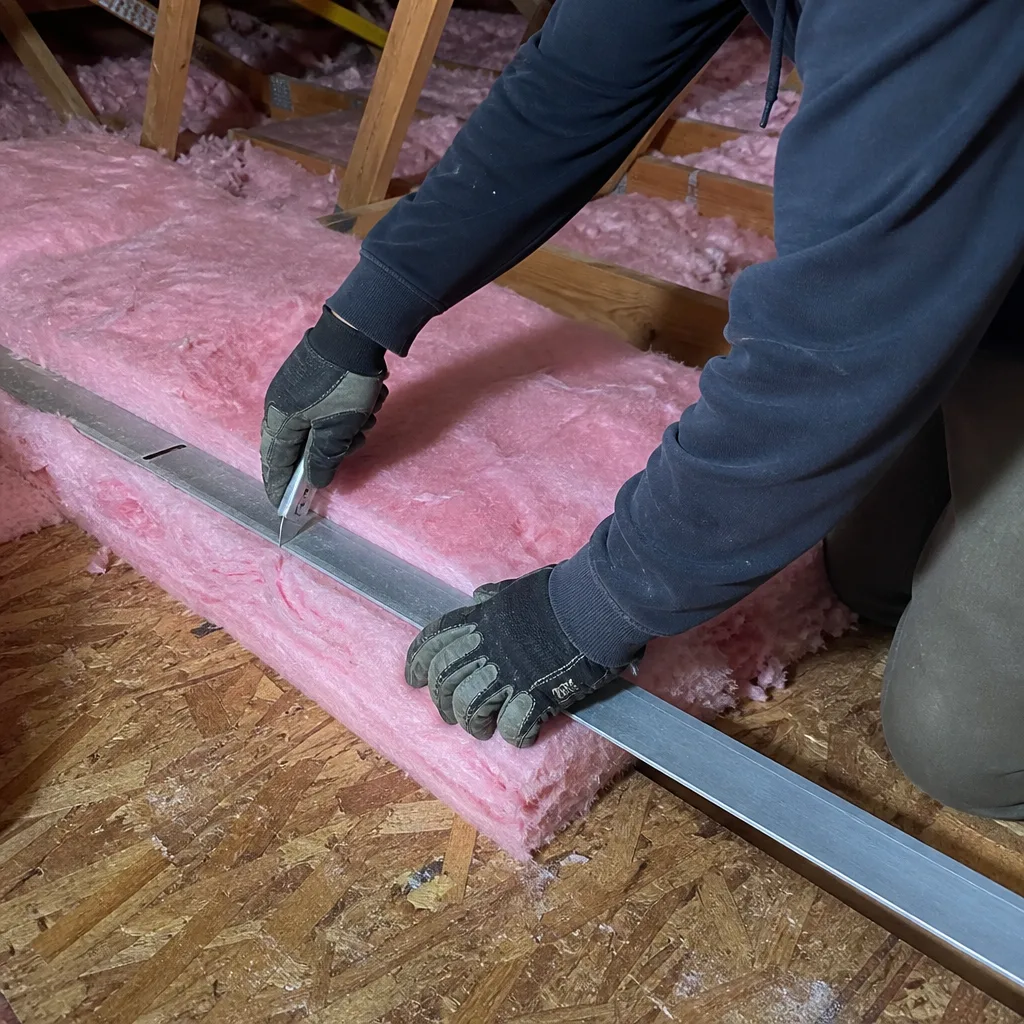
Attic cleaning services in Compton are the foundation of any honest insulation estimate, because you can’t judge what you have until you see it. In postwar tract attics, we regularly find fiberglass batts compressed to half their labeled depth under re-roof layers, old rock wool that’s settled into the bottom four inches, and rodent droppings and dust caking every surface. A full attic cleanout and sanitization in Compton runs $800 – $1,600, including bag removal and surface treatment, before any new insulation goes in.
Removal of Settled Fill and Compressed Batts
We use commercial vacuums to extract degraded material, not scoops and buckets. That means the job is done in hours, not days, and your ceiling drywall isn’t getting abraded by repeated crawling.
Sanitizing Before New Insulation
After removal, we’ll treat the attic deck for odor and biological growth where needed, and seal the top plates and wire penetrations before new material is blown or laid in. Cleaning without sealing just repeats the cycle later.
What happens when you call
- 1
A real person answersNo phone trees — you reach a local pro.
- 2
You get an upfront price rangeHonest numbers before anyone is dispatched.
- 3
A background-checked tech heads outLicensed & insured, dispatched right away.
- 4
You approve before work beginsNothing starts until you say go.
Trusted Brands We Service in Compton
We stock and install Owens Corning, Johns Manville, Knauf, and GreenFiber, among others, so Compton homes get the material that matches the actual attic condition. Owens Corning blown-in fiberglass is our go-to for full attics because it resists settling better than old cellulose and installs to a consistent R-value. GreenFiber cellulose is a solid choice for sound control and recycled-content preference in Compton’s closer-set tracts where neighbor noise is a factor. We bring the material your job needs the same day, no special ordering for common applications.
Common Attic Insulation Problems We See in Compton Homes
- Compressed batts under multiple re-roofs. Homes near Compton Boulevard and Alameda Street often carry three or four layers of roofing, which packs the original fiberglass flat. We’ve measured batts labeled R-19 sitting at 3 inches, delivering somewhere around R-8.
- Marine-layer moisture condensing on roof decks. Morning overcast from the coast pushes damp air into unvented attics, where it beads on the underside of the sheathing. That wetness degrades insulation and feeds mold, especially in the flat-ish roof sections common to 1940s builds.
- Settled rock wool and newspaper-era fill. Original insulation in 1950s tracts off Rosecrans is often just compacted mass in the bottom of the cavity. The attic looks insulated from the hatch, but the top six to eight inches are empty air.
- Blocked or missing baffles at the eaves. Many Compton attics were insulated without baffles, so the blown material chokes the soffit vents. That stops the airflow a low-pitch roof desperately needs, turning the attic into an oven by noon.
Pricing for Attic Insulation in Compton, CA
Here’s what we quote for Compton attics, based on a standard 1,200 – 1,500 sq ft single-story home. Attic insulation top-up runs $900 – $1,700. Full removal of old material plus new blown-in insulation runs $1,800 – $4,200, depending on depth needed and whether we’re also air sealing. Radiant barrier adds $1,200 – $2,400. Attic cleaning alone is $800 – $1,600. Attics with heavy rodent contamination or multiple roof deck penetrations will run toward the higher end. Estimates are free, and the number we quote is the number you’ll see on the invoice, no surprise line items after we open the hatch.
We Also Serve Cities Near Compton
Our crews cover Compton and the surrounding South LA corridor, including East Rancho Dominguez, West Rancho Dominguez, Carson, and Gardena. If you’re in a neighboring city and wondering whether we make the drive, we do. We handle Compton attics daily and schedule neighboring work on the same route. Our full Attic Insulation service lineup applies everywhere we work.
Serving Compton, CA — Our Local Coverage Area
We’re based in the Compton area and know this community well. Use the map below to see our service coverage — if you’re nearby, we can almost certainly help.
FAQs About Attic Insulation in Compton
The morning marine layer pushes cool, moisture-heavy air into unvented or under-vented attics, where it condenses on the underside of the roof deck. This is a daily occurrence for months at a time in Compton, not a rare event. The fix is proper soffit-to-ridge air movement plus sealing any interior air leakage that carries humid house air upward. Call (833) 390-7079 and we’ll inspect your venting before recommending insulation changes.
Because the label doesn’t reflect what’s actually in the attic. In postwar tracts across Compton, original fiberglass batts have been compressed by repeated re-roofing to a fraction of their rated depth, and the attic is effectively uninsulated. We see this constantly near Long Beach Boulevard and Wilmington Avenue. The only way to know is a physical pull sample, which we do on every estimate.
Yes. We vacuum out old cellulose, rock wool, and newspaper-era fill, bag it, and dispose of it. This is standard practice before new blown-in or batt insulation goes in, and it lets us see the actual condition of the top plates and wiring before sealing. The removal typically takes half a day on a Compton single-story home.
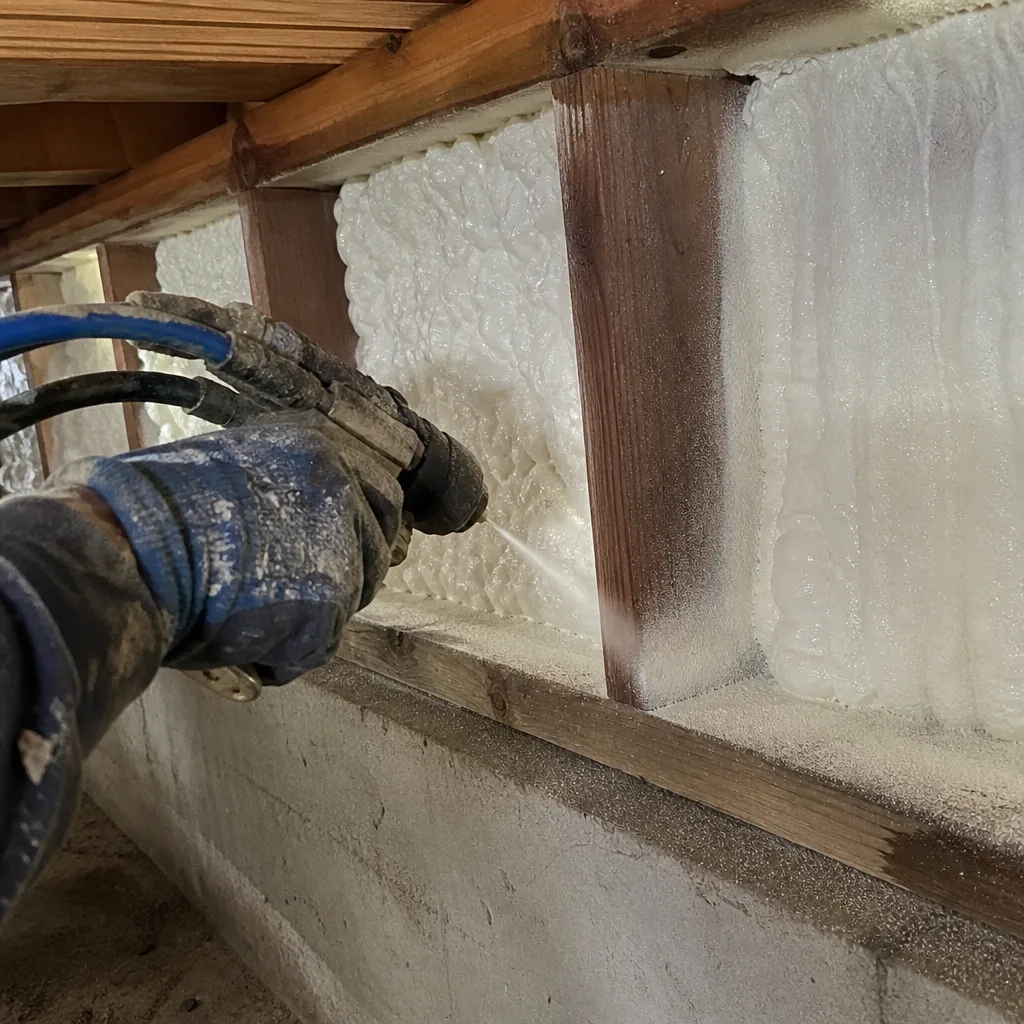
For most low-pitch attics in Compton, we recommend dense blown-in fiberglass at R-38 to R-49, paired with a radiant barrier under the rafters and verified eave-to-ridge ventilation. Closed-cell spray foam can work on the roof deck itself for attics that can’t be ventilated, but it’s a different price point and not right for every structure. The material choice should follow the attic’s geometry and moisture profile, not a catalog.
Every five to seven years, and sooner if you’ve had a re-roof, a leak, or a rodent problem. In Compton’s marine-layer climate, moisture damage accumulates silently, and compressed batts don’t recover on their own. A quick inspection catches settling and condensation before your energy bills tell you something’s wrong. Estimates and inspections are free; call (833) 390-7079 to schedule one.
Written by Ruben Acosta, Owner at Airtight Insulation Co, serving Compton and South Los Angeles County.