
Fast, Reliable Attic Insulation Across Artesia
Attic insulation in Artesia usually costs between $1.40 and $5.80 per square foot installed, depending on whether we’re blowing in fiberglass over an existing layer or pulling out failed batts and starting clean. Most 1950s tract homes here need a full retrofit, not a top-up. That’s the honest starting point. We work throughout 90701 and 90702 weekly, and we can usually have a crew at your door within 48 hours of your call to (833) 390-7079. Ruben Acosta runs our crews, and he knows these houses because they show up on our schedule constantly.
Why Airtight Insulation Co Is Artesia’s Preferred Attic Insulation Company
We stock eight manufacturer brands, which means we’re not forcing one product onto your house. If your shallow 1950s attic can’t take thick batts, we go with blown-in fiberglass from Owens Corning or GreenFiber. If you need air sealing plus insulation in one pass, we bring Demilec or Icynene spray foam. The job picks the product.
Ruben’s crews have spent enough hours in Artesia attics to know what we’ll find before we open the hatch. Rear additions over garages with no insulation. Original duct straps pitted from salt air. Batts that look fine from below but you can poke a finger through. That local pattern recognition means we show up with the right equipment the first day, not after a return trip. We’re licensed, insured, and bonded, and we back every install in writing.
Attic Cleaning Services in Artesia
Attic Insulation work in Artesia starts with cleaning because these attics are never clean. Fifty-year-old houses collect rodent droppings, construction debris from original builds, collapsed batts, and dust that holds heat. Attic Cleaning Services in Artesia run $500 – $1,500 depending on attic size and how much has to be vacuumed out. If we’re doing a full insulation replacement, we almost always recommend cleaning first. You don’t blow new fiberglass over rat-compacted batts and call it done.
Debris and Contaminant Removal
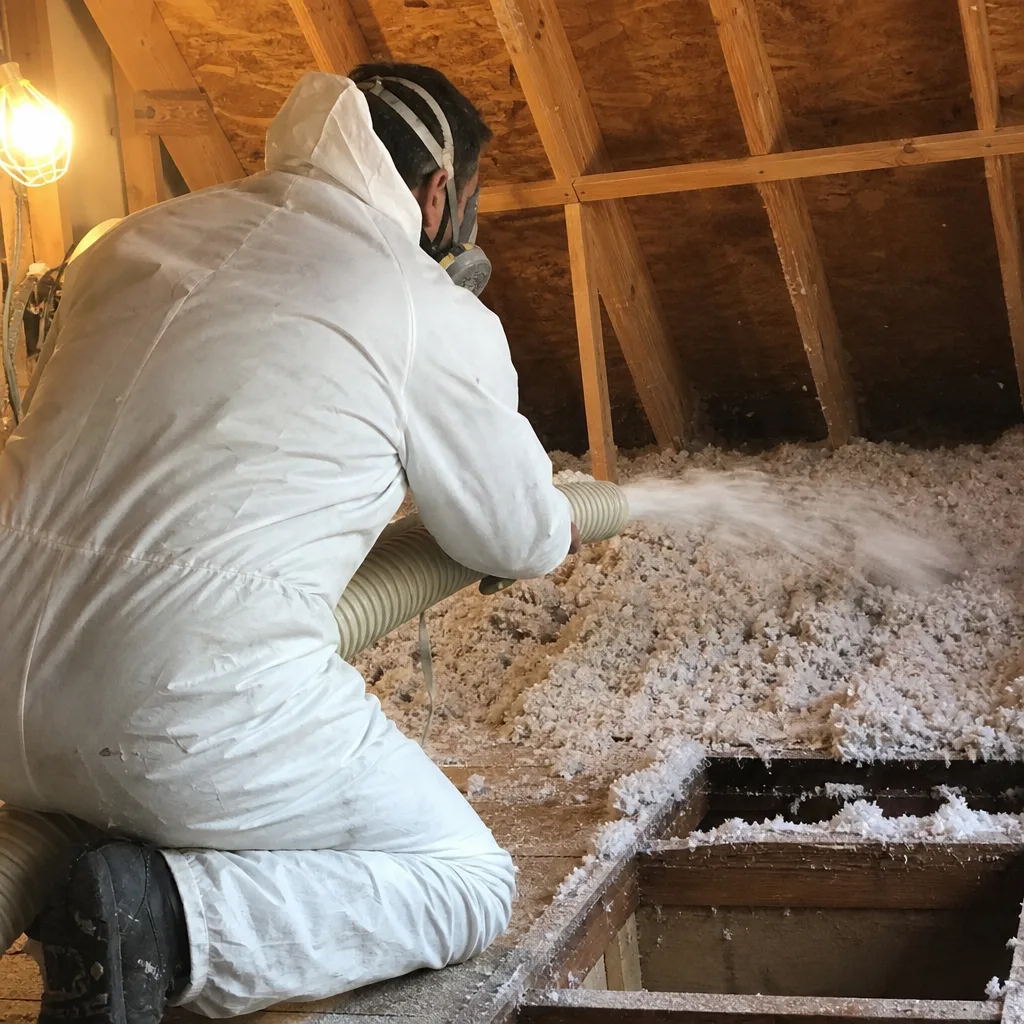
We vacuum the deck to bare wood, bag everything, and haul it off. That includes old batt fragments, pest nesting, and the fine dust that settles over decades. The goal is a clean surface so the new insulation performs and we can see any ventilation or framing problems underneath.
Pre-Insulation Prep and Sanitizing
After vacuuming we look for the problems the old insulation hid: cracked top plates, gaps around plumbing stacks, and corroded vent screens. We air-seal what we can access before any new material goes down. In a 90701 tract attic with 2×4 joists, that prep work matters more than the R-value printed on the bag.
What happens when you call
- 1
A real person answersNo phone trees — you reach a local pro.
- 2
You get an upfront price rangeHonest numbers before anyone is dispatched.
- 3
A background-checked tech heads outLicensed & insured, dispatched right away.
- 4
You approve before work beginsNothing starts until you say go.
Attic Mold Removal in Artesia
Salt air plus poor attic ventilation is a mold recipe. Attic Mold Removal in Artesia typically runs $800 – $2,200, and the real cost driver is whether the mold is surface-only or has gotten into the sheathing. We see it most often in the shallow attics over unpermitted rear additions, where someone closed off the soffit vents or never installed any. The mold shows up as dark staining on the underside of the roof deck and on the top plates. It’s not something to ignore and it won’t dry out on its own.
Identifying Moisture Sources
Mold removal isn’t just scrubbing. We trace the moisture first. In Artesia that usually means bathroom fans vented into the attic instead of outside, or a damaged roof jack, or blocked soffit vents. Fix the moisture, then treat the mold. Otherwise it’s back in a season.
Cleaning, Treatment, and Prevention
We remove mold-contaminated insulation, treat the affected framing and sheathing with an EPA-registered antimicrobial, and replace what we pulled with clean material. Then we address ventilation so the attic actually breathes. No mold remediation in a 90702 tract home is complete without that ventilation fix.
Trusted Brands We Service in Artesia
We carry Owens Corning fiberglass, GreenFiber blown-in cellulose, and Icynene and Demilec spray foams, among the eight brands on our trucks. For Artesia’s shallow attics, blown-in fiberglass and cellulose usually make the most sense because they settle evenly over a low clearance deck. Spray foam earns its cost when the attic doubles as a storage space or the roof line needs air sealing at the deck. We don’t push one product line. We tell you what’s in the truck and why it fits your roof.
Common Attic Insulation Problems We See in Artesia Homes
- Bare or collapsed builder batts over rear additions. The original 1950s tract house might have a thin layer of insulation, but the garage and any rear addition usually have none. Those batts, if they were ever installed, collapse and settle against the deck, leaving bare spots that cook in the high-90s summer sun. We find this on nearly every pre-1970 house we open up in the 90701 grid.
- Salt-air corrosion attacking hardware before insulation fails. Artesia sits close enough to the coast that attic duct straps, vent screens, and fasteners pit and corrode years before fiberglass degrades. You’ll see rusted-out vent screens and straps that snap when you touch them. That’s why our retrofits start with a hardware inspection, not a hose full of insulation.
- Shallow attic ceilings trapping heat. Many of these 1950s ranch houses have attic depth measured in inches, not feet. Low clearance means poor airflow, and whatever thin batt exists gets heat-soaked by noon. The ceiling below then radiates that heat into the living space all evening. More insulation, done right for the clearance you actually have, changes that.
- Unpermitted additions that were never insulated at all. Rear bedrooms and bathroom bump-outs from the 1970s and 1980s often went in without a permit, which means no insulation, no ventilation, and no air sealing. The original house might read 100 degrees in the attic while that addition reads 140. Our crews map those differences before we start so we’re not guessing where the heat comes from.
Pricing for Attic Insulation in Artesia, CA
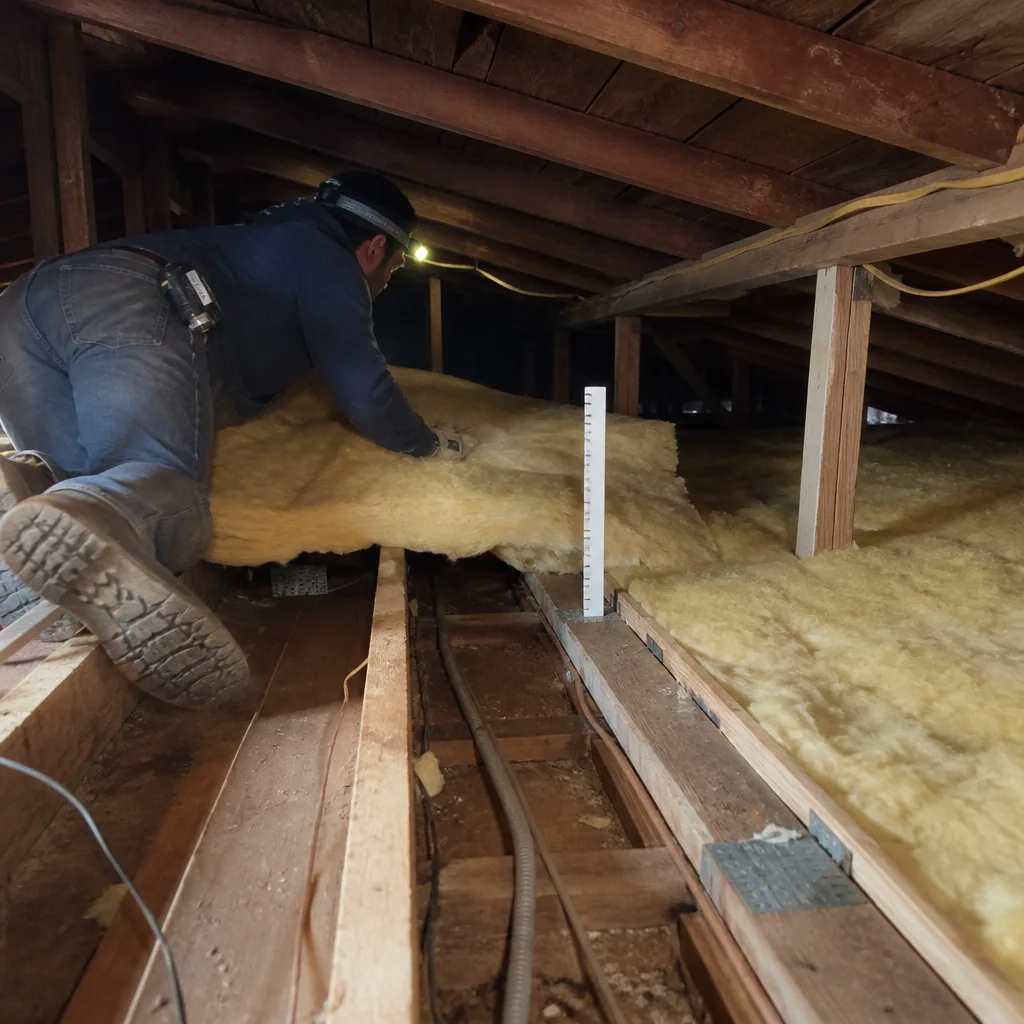
Blown-in fiberglass or cellulose over an 1,100-square-foot Artesia attic runs $1,800 to $3,300. Full removal and replacement, including cleaning, vac steps from $2,800 to $5,500. Spray foam runs higher, $4,000 to $9,000 for a typical ranch roof line, because it air-seals and insulates in one pass. Batting an attic with new Rockwool or fiberglass mat, where clearance allows, lands between those. Call (833) 390-7079 and Ruben or a crew lead can give you an exact number after walking your attic. Estimates are free.
We Also Serve Cities Near Artesia
Artesia sits in the middle of our regular service loop. We schedule work in Cerritos, La Palma, Hawaiian Gardens, and Norwalk the same week as our Artesia jobs, so if you live just over the city line, the same crew can help. Call and ask for scheduling. Most nearby addresses get the same 48-hour response.
Serving Artesia, CA — Our Local Coverage Area
We’re based in the Artesia area and know this community well. Use the map below to see our service coverage — if you’re nearby, we can almost certainly help.
FAQs About Attic Insulation in Artesia
Because in Artesia’s coastal-edge air, vent screens, duct straps, and fasteners corrode and fail before the insulation does. If we blow new fiberglass over rusted straps and collapsed screening, we’re covering a failure that’ll need work in five years. We inspect and replace the metal first, then insulate. It’s the correct order.
Yes. A bare or near-bare attic deck in one of these original tract houses lets the afternoon heat pour straight through your ceiling. Taking that attic from R-0 or R-4 to R-38 or better typically cuts the ceiling’s heat gain dramatically, and that’s where a lot of your cooling bill goes in summer. The difference is measurable on the first 90-degree day after the install. Call (833) 390-7079 if you want us to calculate your current R-value and a real target.
All the time. Rear additions over garages in the 90701 and 90702 grids were frequently built without permits, which means no insulation, no ventilation, and often no air sealing. The original house might have some insulation, but the addition acts like a heat radiator. On a Pioneer Boulevard ranch, we pulled a collapsed, rodent-compacted batt over a rear addition that had never been insulated and found original metal duct straps pitted from years of salt air. We vacuumed the deck, swapped the corroded straps for galvanized hardware, air-sealed the top plates, and blew Owens Corning fiberglass to a high-R blanket over the shallow clearance. If your addition feels hotter than the rest of the house, that’s the likely reason.
We install Owens Corning and Johns Manville fiberglass, GreenFiber cellulose, Rockwool mineral wool, and Icynene and Demilec spray foams, among the eight brands we carry. For Artesia’s shallow attics, blown-in fiberglass or cellulose usually fits best and settles evenly over low-clearance decks. Spray foam earns its keep when the attic shell itself needs air sealing. The job picks the product.
Indirectly, yes. Corroded vent screens block airflow, and blocked airflow traps moisture. In Artesia’s coastal-edge humidity, that trapped moisture shows up as mold on roof sheathing and framing, especially over unvented additions. A $1,200 attic mold removal turns into a $4,000 problem if it sits for a season or two. If you smell mustiness in the upstairs rooms, call us to check the attic.
Written by Ruben Acosta, Owner at Airtight Insulation Co, serving Artesia and surrounding LA County communities.