
Insulation Company in Sierra Madre, CA
Sierra Madre homes need blown in insulation more than most Los Angeles County properties, and the reason comes down to two things: age and geography. Most houses here were built before 1960, when attics were vented but rarely insulated, and the canyon-mouth location means afternoon heat pours into those same attics from noon until well past six. Airtight Insulation Co has served Sierra Madre since 2011, retrofitting Craftsman bungalows, Spanish-Revival homes, and mid-century ranches with blown in cellulose and fiberglass that actually fits the irregular cavities those old houses are full of. Call (833) 390-7079 for a free estimate.
Why Sierra Madre Homes Are Different
Sierra Madre sits right where the San Gabriel Mountains meet the valley floor, and that canyon-mouth position creates a daily temperature swing most insulation contractors never plan for. Summer afternoons run ten to fifteen degrees hotter than Pasadena, but by ten at night the mountain air rolling down Little Santa Anita Canyon has dropped things back into the low sixties. That is not just a comfort issue. It means attic insulation has to handle heat gain from above during the day and heat loss through the roof assembly at night, which is exactly the scenario where air sealing and blown in coverage earn their keep.
The housing stock adds another layer. The streets climbing toward Bailey Canyon and the Mount Wilson Trail are lined with 1920s Craftsman bungalows and 1930s Spanish-Revival homes, many still sitting on their original lath-and-plaster walls. Those houses have stud bays with odd dimensions, balloon framing in some cases, and attics that were never designed for modern R-values. The 1950s ranch homes spread across the flats near Sierra Madre Boulevard are easier to work with, but plenty of them still have the original rock wool batts from the Eisenhower administration, compressed to nothing and full of gaps. In this town, the standard “add more batts” approach does not work, because the cavities are not standard.
There is also the fire question. Sierra Madre sits in a high fire severity zone against the Angeles National Forest, and the dry air that makes the hiking trails so good is the same dry air that carries embers. Homeowners here increasingly ask about fire-resistant insulation options, and mineral wool has become a serious part of the conversation for walls and attic retrofits.
Our Main Sierra Madre Services
Blown in insulation handles the bulk of what Sierra Madre’s older homes need, but two other services come up constantly on these streets: attic insulation for houses that need the whole assembly rebuilt, and spray foam for canyon homes and additions where air sealing is the priority. Here is what each involves.
Attic Insulation in Sierra Madre
Most Sierra Madre attics we open up have the same story: a thin layer of fifty-year-old material, gable vents pulling hot canyon air straight through, and zero air sealing around the top plates. Attic insulation here means more than blowing new material over the old. It means removing or covering the degraded layer, sealing the bypasses where interior air escapes, checking the venting strategy, and then installing the right material for a foothill climate. For homes in the flatlands, that is often blown in fiberglass or cellulose. For hillside homes where afternoon attic temperatures climb higher, we adjust the approach. Read more on Attic Insulation in Sierra Madre.
Spray Foam Insulation in Sierra Madre
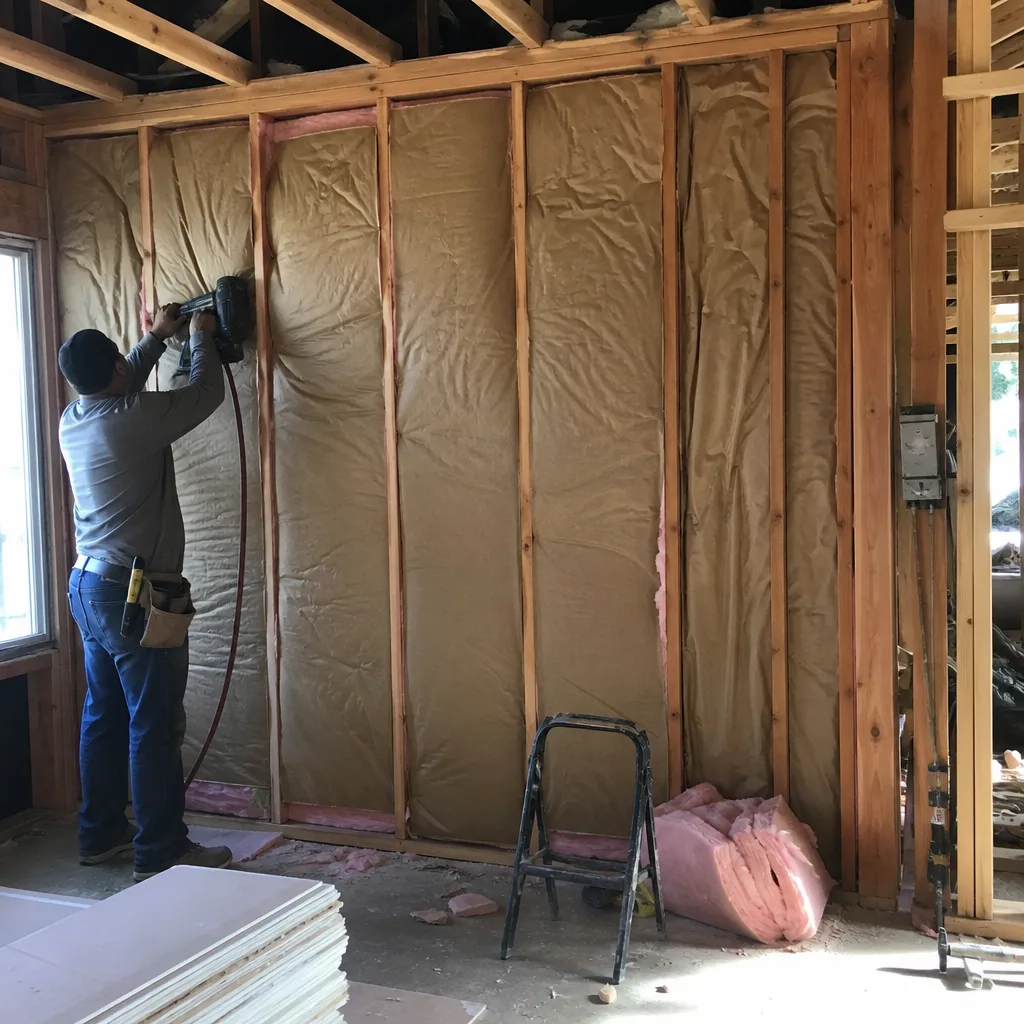
Spray foam earns its keep in the awkward spaces older Sierra Madre homes are full of: knee walls in hillside additions, floor assemblies over vented crawlspaces, detached garage ceilings that bake all afternoon, and rim joists in 1950s ranches. Open-cell foam makes sense where sound control matters and the budget is tighter. Closed-cell foam from Icynene or Demilec goes in where the wall cavity is shallow or moisture is a concern, which describes a lot of the older construction in the canyon neighborhoods. The material conforms to whatever the original builders left behind. See Spray Foam Insulation in Sierra Madre for specifics.
What happens when you call
- 1
A real person answersNo phone trees — you reach a local pro.
- 2
You get an upfront price rangeHonest numbers before anyone is dispatched.
- 3
A background-checked tech heads outLicensed & insured, dispatched right away.
- 4
You approve before work beginsNothing starts until you say go.
Blown In Insulation in Sierra Madre
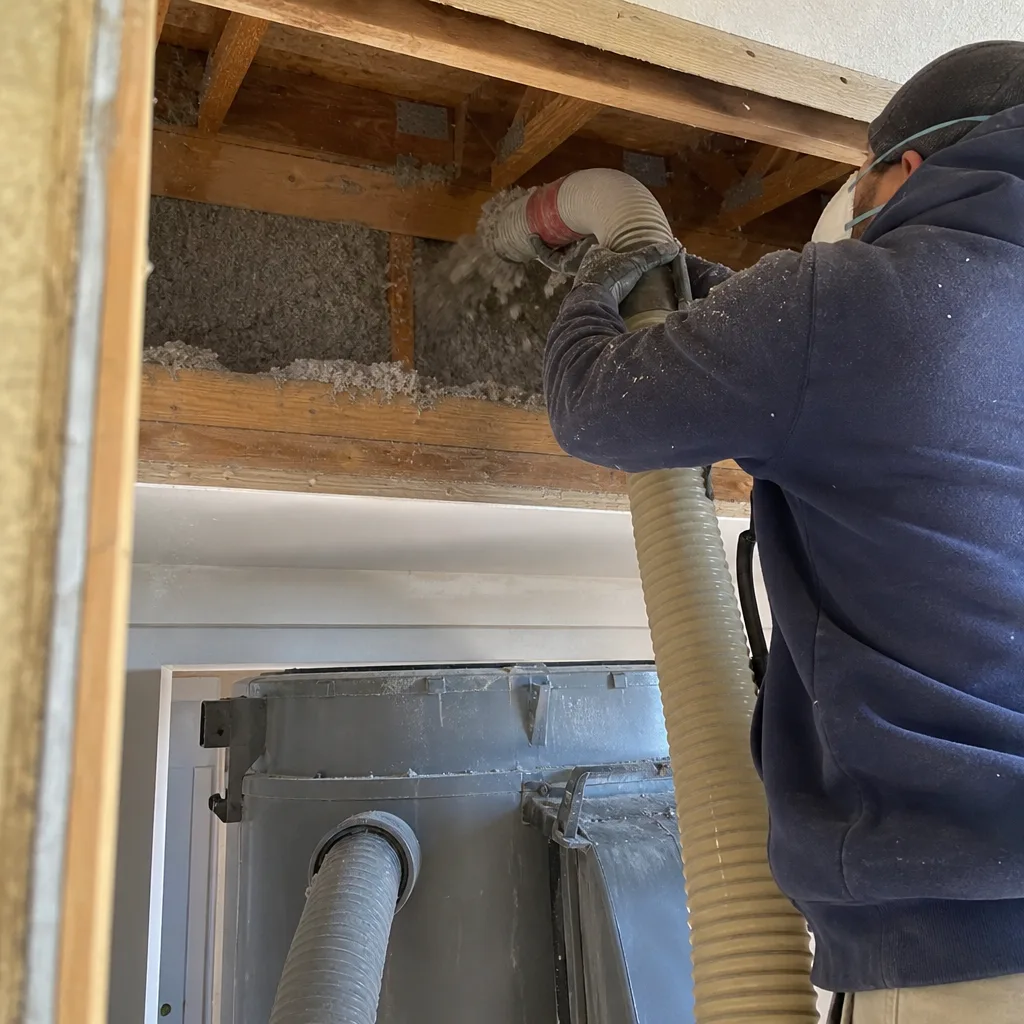
Blown in insulation is the workhorse retrofit for Sierra Madre’s pre-war and mid-century housing stock, because it is the only method that fills irregular stud bays and lath-and-plaster walls without tearing them open. A 1928 Craftsman on Baldwin Avenue does not have uniform sixteen-inch cavities, and a 1957 ranch on Grove Street does not have attic access built for batts. Blown in cellulose and blown in fiberglass both conform to whatever space exists, which is why Blown In Insulation ends up on so many of our Sierra Madre work orders. The canyon climate makes the attic the first priority, but wall cavities and floor systems matter too when the evening mountain air starts pulling heat out of the house.
Cellulose Insulation
Signs you need it
Rooms that overheat by mid-afternoon and cool down fast after sunset often point to attic cavities with degraded or missing insulation, and that is where dense-packed cellulose does its best work.
What it costs in Sierra Madre
Blown in cellulose in Sierra Madre typically runs $1.00 to $2.25 per square foot depending on depth and whether we are working in an attic floor or a wall cavity.
How we do it
We dense-pack the GreenFiber cellulose into wall stud bays through small access holes or blow it loose over the attic floor to the specified depth, settling it evenly around existing framing.
Blown In Attic Insulation
Signs you need it
If your upstairs ceiling feels warm to the touch on a hot Sierra Madre afternoon, the attic floor likely has less than R-19 of useful coverage.
What it costs in Sierra Madre
A full blown in attic insulation job in Sierra Madre typically costs $1,500 to $3,200 for an average bungalow or ranch, depending on square footage and the condition of what is already up there.
How we do it
We pull back the old material where needed, air seal the top plates and penetrations, then blow in the specified depth of fiberglass or cellulose across the full attic floor.
Loose Fill Insulation
Signs you need it
Attics with shallow or uneven coverage, especially around the eaves where heat sneaks in first, are the classic candidates for loose fill.
What it costs in Sierra Madre
Loose fill in a Sierra Madre attic starts around $1,200 and goes up with depth and square footage, with most typical jobs in the $1,500 to $2,800 range.
How we do it
We blow the loose material to a consistent depth that meets the target R-value, working around vents, wiring, and framing without blocking soffit airflow.
What Blown In Insulation Costs in Sierra Madre
| Item | Typical range in Sierra Madre |
|---|---|
| Blown In Attic Insulation (full job) | $1,500 – $3,200 |
| Blown In Cellulose (per sq ft) | $1.00 – $2.25 |
| Loose Fill Insulation (attic) | $1,200 – $2,800 |
Will blown in insulation make my house cooler right away?
Yes, most Sierra Madre homeowners notice the difference within a day or two, especially in upstairs rooms. The attic stops acting as a heat reservoir and the living space stops gaining heat through the ceiling, so the afternoon spike is much smaller. Call (833) 390-7079 for a free assessment.
Can you blow insulation into walls without tearing them open?
Yes, we dense-pack through small access holes drilled in the siding or from the interior, then patch to match. That is the standard approach for the lath-and-plaster walls common in Sierra Madre’s older homes. Call (833) 390-7079 to schedule an estimate.
Brands We Service in Sierra Madre
Airtight Insulation Co carries eight manufacturer brands so the material always fits the application in Sierra Madre, not the other way around. For blown in jobs we typically install GreenFiber cellulose and Owens Corning or Johns Manville fiberglass, with Knauf available as another proven option. Parts and material are stocked for quick turnaround, and we can often install within a week of the estimate. Learn more about our brands.
Pricing for Insulation Company in Sierra Madre, CA
| Service | Typical range in Sierra Madre |
|---|---|
| Blown In Attic Insulation (full job) | $1,500 – $3,200 |
| Blown In Cellulose (per sq ft) | $1.00 – $2.25 |
| Blown In Fiberglass (per sq ft) | $1.20 – $2.50 |
| Loose Fill Insulation (attic) | $1,200 – $2,800 |
| Attic Insulation (full retrofit) | $2,000 – $4,500 |
| Spray Foam, Open-Cell (per board ft) | $0.45 – $0.85 |
| Spray Foam, Closed-Cell (per board ft) | $1.10 – $1.85 |
Prices in Sierra Madre climb when we are dealing with steep hillside access, detached garages, or original construction that needs extra prep before any material goes in. Every quote is a fixed upfront number, so you know the full cost before we start and there are no surprises at the end.
Neighborhoods We Serve in Sierra Madre
We work throughout Sierra Madre, from the flats near the Gold Line corridor up into the hillside streets below Bailey Canyon and the Mount Wilson Trail. Our teams know the difference between a 1920s bungalow near Sierra Madre Boulevard and a 1960s ranch on the north side, and we plan access and material staging accordingly.
- Central Sierra Madre (91024)
- Canyon neighborhoods below Bailey Canyon
- Hillside streets near the Mount Wilson Trail
- North Sierra Madre / ranch home district (91025)
- Areas near Sierra Madre Boulevard and the Gold Line
Response time across the 91024 and 91025 ZIP codes is typically one to two business days for estimates, with same-week availability on many blown in insulation jobs.
Service Area – Cities Near Sierra Madre
Beyond Sierra Madre, Airtight Insulation Co handles insulation work across the surrounding foothill communities. If you are in Arcadia, CA with a ranch home that needs an attic retrofit, East Pasadena, CA with a bungalow facing the same heat issues, Mayflower Village, CA with a 1950s original underinsulated attic, or Monrovia, CA with canyon-facing walls that heat up every afternoon, we can help. The same crew covers all of these communities, so scheduling is straightforward.
Serving Sierra Madre, CA — Our Local Coverage Area
We’re based in the Sierra Madre area and know this community well. Use the map below to see our service coverage — if you’re nearby, we can almost certainly help.
FAQs About Insulation Company in Sierra Madre
We typically schedule estimates in Sierra Madre within one to two business days, and for blown in attic jobs we can often complete the work the same week. Hillside properties with difficult access may take a little longer to quote. Call (833) 390-7079 to check current availability.
Most blown in and attic insulation retrofits in Sierra Madre do not require a permit, since the work happens inside the existing building envelope. If your job involves spray foam in new construction or a major addition, permitting rules are different. We will tell you exactly what applies to your property before any work starts.
Yes, detached garages and hillside additions are common in the canyon neighborhoods of Sierra Madre, and we insulate them regularly. Those spaces often have uninsulated attics that bake all afternoon, and they usually need both material and air sealing to perform. Call (833) 390-7079 for a free estimate on any structure on your property.
What happens when you call
- 1A real person answersNo phone trees — talk to a local insulation pro.
- 2You get an upfront price rangeHonest numbers before anyone is dispatched. No surprises.
- 3A background-checked tech heads outLicensed & insured, typically within 60-minute.
- 4You approve before work beginsNothing starts until you say go.
What Sierra Madre Customers Say
"He did a blower door test before and after and gave me the numbers. I like being able to see the difference rather than being told about it."
— Simone Grant"Work is good and the house is noticeably more comfortable. There was insulation debris left in the hall closet under the attic access that I had to clean up."
— Rashad Coleman"Spray foam in the rim joists in the basement. The cold floors above them are gone."
— Steve Ziegler